
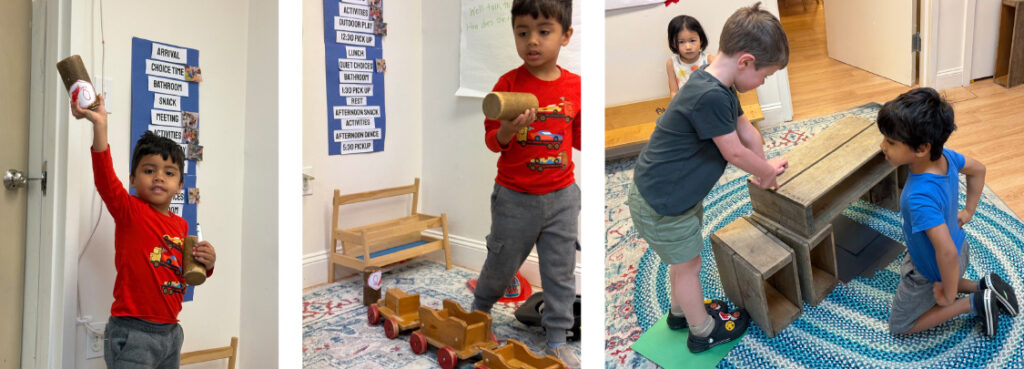
George and Jack navigate a path, strewn with blocks, to the outlet in the corner of the room.
“Mine needs it.”
“So does mine.”
“Mine is on red.”
“Okay—mine is on yellow. You go first. We can use mine.”
They leave one block under the outlet and return to their dramatic play with the other block.
“Here, take a picture of this.”George poses near the structure they built with blocks.
Jack lifts his block up to his eyes and uses his fingers to press an imaginary button. George runs over to look at the block with Jack.
“Can you send it to my parents?”
“Sure. Comment?”
“Yes. Say, ‘This is the house the goats made for the troll so he has somewhere to live and make food, so he won’t keep trying to eat the goats. Troll asks the goats for dinner.’”
“Ok. Sent.”
They go back to storytelling their version of “The Three Billy Goats Gruff” until Jack’s “cell phone” alerts him. He pulls the block from his back pocket and looks at it. He then smiles and shows it to George.
“Your parents loved it and want to know what Troll is making for dinner.”
They look at each other.
“We need to build a kitchen in the house.”
“Yes!”
They set off to write the next part of their story through dramatic play, and I’m left reflecting on how digital media might serve as both an invitation and a provocation in children’s literacy development. These young learners are using a block as a pivot to incorporate “digital tools” into their dramatic play. They know digital media is a part of their environment, and they are trying to construct an understanding of its role through their play. Both the American Academy of Pediatrics (AAP) and the National Association for the Education of Young Children (NAEYC) recommend limiting screen time to one hour per day for children ages 2–5. Recently, AAP (2026) updated its policy statement to think about how we should be using this time.
Digital media, including television, the internet, social media, video games, and interactive assistants, form the digital ecosystem. When this digital ecosystem is designed with children’s unique developmental needs in mind, it can support learning and well-being. In contrast, digital ecosystems that prioritize engagement and commercialization often encourage prolonged use, which in turn can displace healthy behaviors (e.g., movement behaviors, sleep), and contribute to negative outcomes.
This more nuanced research from the AAP recognizes the productive value of interactive screens and the need for strength-based solutions with digital literacy in early childhood education. While I have concerns over the amount of time, access, and exposure children have to digital media in schools, the idea of a child-centered digital ecosystem shifted my thinking from restricting time to using time to amplify children’s literacy development. “A digital ecosystem is part of our learning environment, which is ‘the third teacher’ that can either enhance the kind of learning that optimizes our students’ potential to respond creatively and meaningfully to future challenges or detract from it” (Fraser, 2012, p. 112). As I think about my classroom as a digital ecosystem, I envision digital tools helping young learners take an active stance toward literacy, gain agency as readers, and learn how to use these tools to support their learning and well-being. How could digital media be used to spark imagination and invite meaningful literacy experiences? If we carefully select when and how we use digital media to provoke thinking, could it become a way for students to create, explore, and communicate, rather than just a tool to consume? My students’ brilliance led the way for me to investigate these questions. Following are five practical, classroom-tested ideas to promote a digital ecosystem that amplifies literacy instruction.
Digital Media Creates a More Interactive Read-Aloud
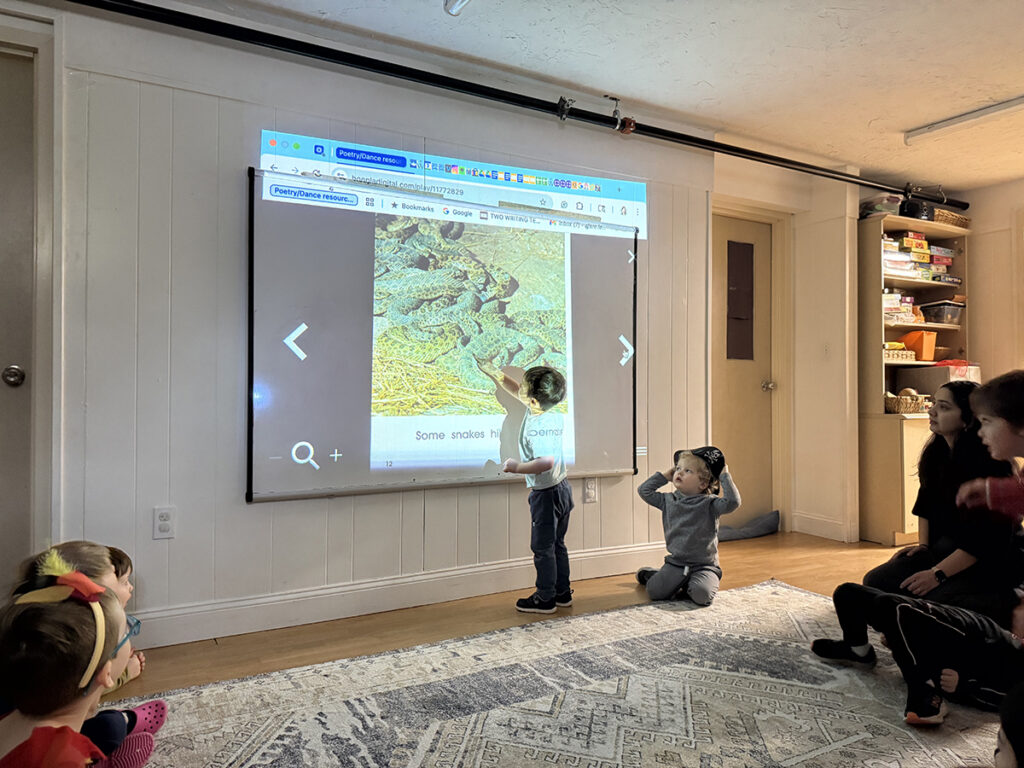
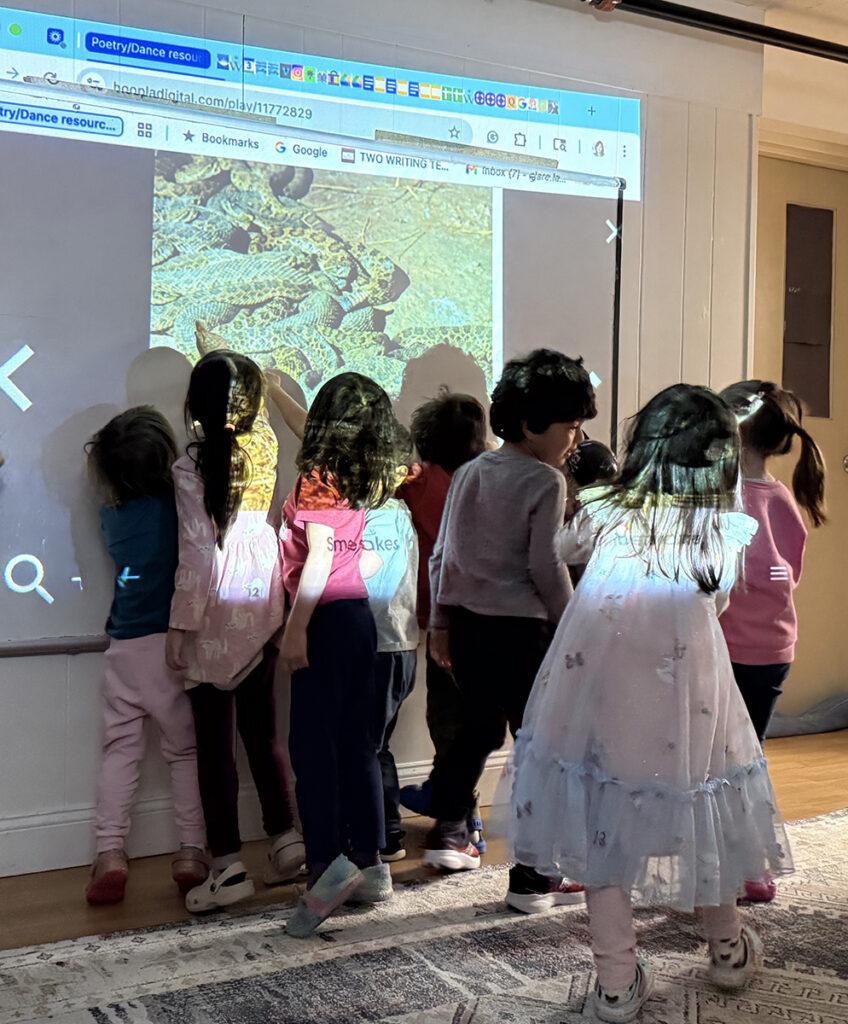
During the whole-group read-aloud, it is not easy to balance young learners’ attention spans, the group dynamics, and the physical size of the book that every reader NEEDS to see. Kids want to talk, ask questions, laugh, touch the pictures, and add their thinking to the text. When we project digital text at floor level, it completely changes the game. Young readers need to know we bring as much to a text as we take away from it. Louise Rosenblatt’s transactional reading theory suggests that as the reader interacts with the text and the author, portals emerge to create a “fusion of thought and feeling, of cognitive and affective, that constitutes the integrated sensibility” (Rosenblatt, 1978, p. 46). This type of transaction sets our readers up for an engaged, meaning-searching experience that, once learned, can be transferred to any type of text.
For our youngest readers, this active stance is literal. Glenberg et al. (2004) and Hostetter and Alibali (2008) demonstrate that comprehension deepens when children use movement and gesture to interact with text. Their research showed that movement improves concentration, relieves stress, and increases retention. Experience knows our kiddos are going to move one way or another . . . so why not encourage it?
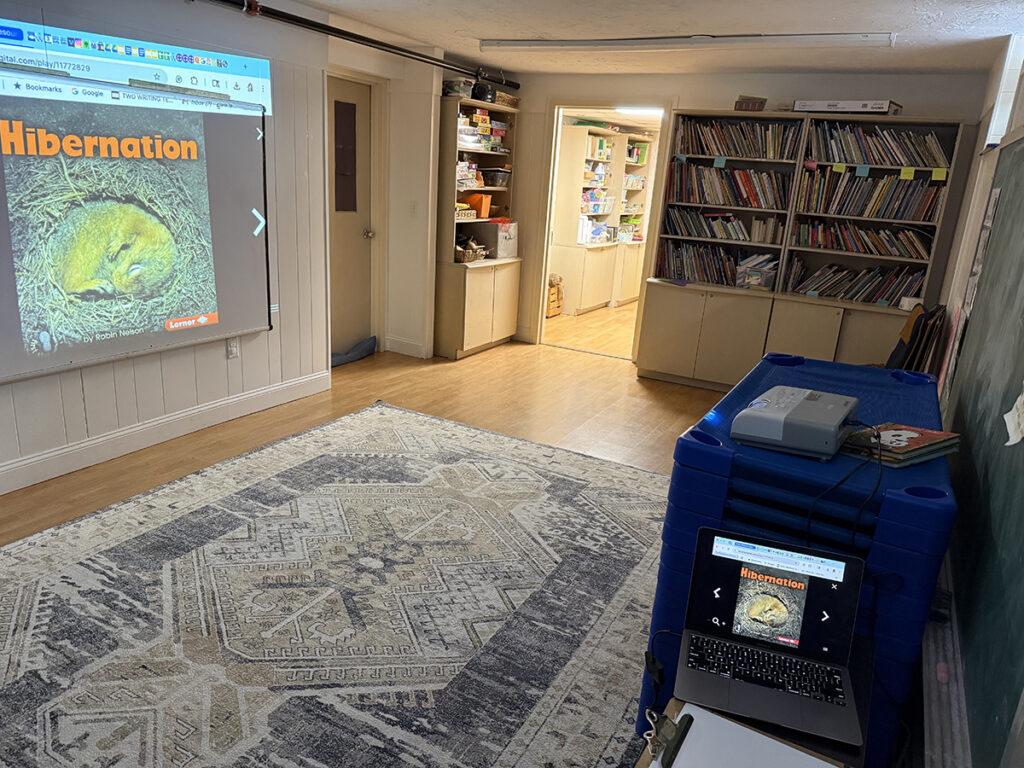
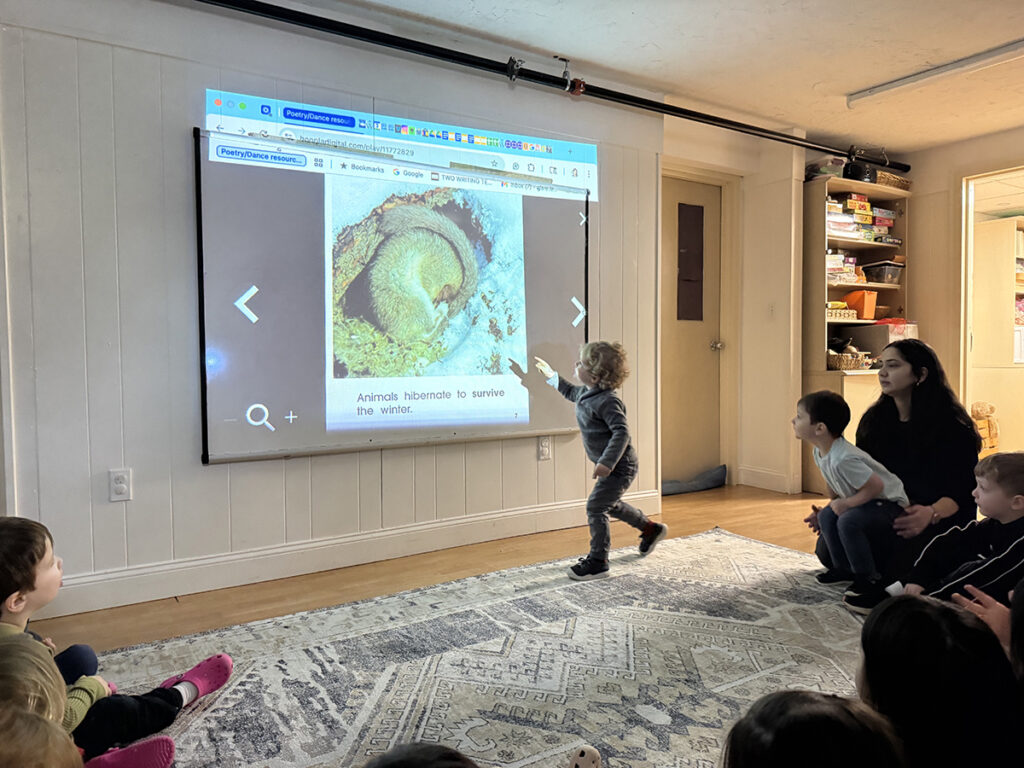
When I decide to project a text, I arrange the space so all kids can see it and physically access it with their bodies, without waiting for permission. The moment their brain calls them to interact, I want them to interact. As teachers, we often use read-aloud to explicitly model the abstract thinking strategies we use to comprehend. These in-the-brain actions are not visible to young readers, so we need to make them visible. We need to give them opportunities to try these actions so we can notice and explicitly name what they are doing and how it helps them to comprehend and interpret texts. When I project a text, kids are physically demonstrating the in-the-brain work of a reader in joyful, constructive ways.
Digital Media Helps Develop Concepts about Print
Marie Clay first coined the phrase “concepts about print” in New Zealand. The phrase refers to the idea that beginning readers need to understand how printed language works in order to become successful readers. Current evidence indicates that successful beginning readers develop concepts about print at an early age. “Becoming literate involves making the processes of visual perception operate under a new set of arbitrary constraints which apply only to the written code of a language. Complexity can easily turn our attention away from the visual perception aspects of literacy towards other things” (Clay, 2001, pp. 149, 165). Young readers must first understand that what we say, we can write; what we write, we can read; and attention to print is critical to this understanding. They need to construct this understanding through play and revise this understanding through repeated experiences. When our curriculum shifts to having young readers memorize sight words or time them to rapidly name the letters of the alphabet, without a focus on the bigger picture of how these letters and words are integral to making meaning, we are teaching literacy without purpose or audience in mind.
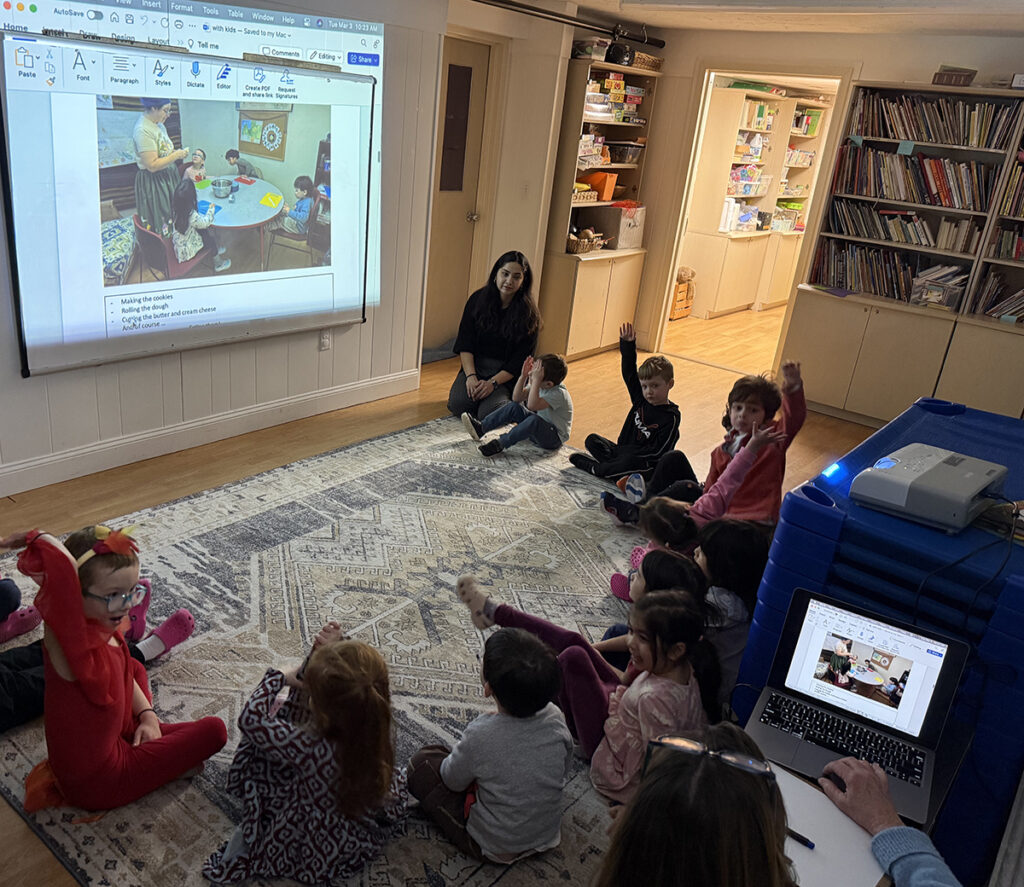
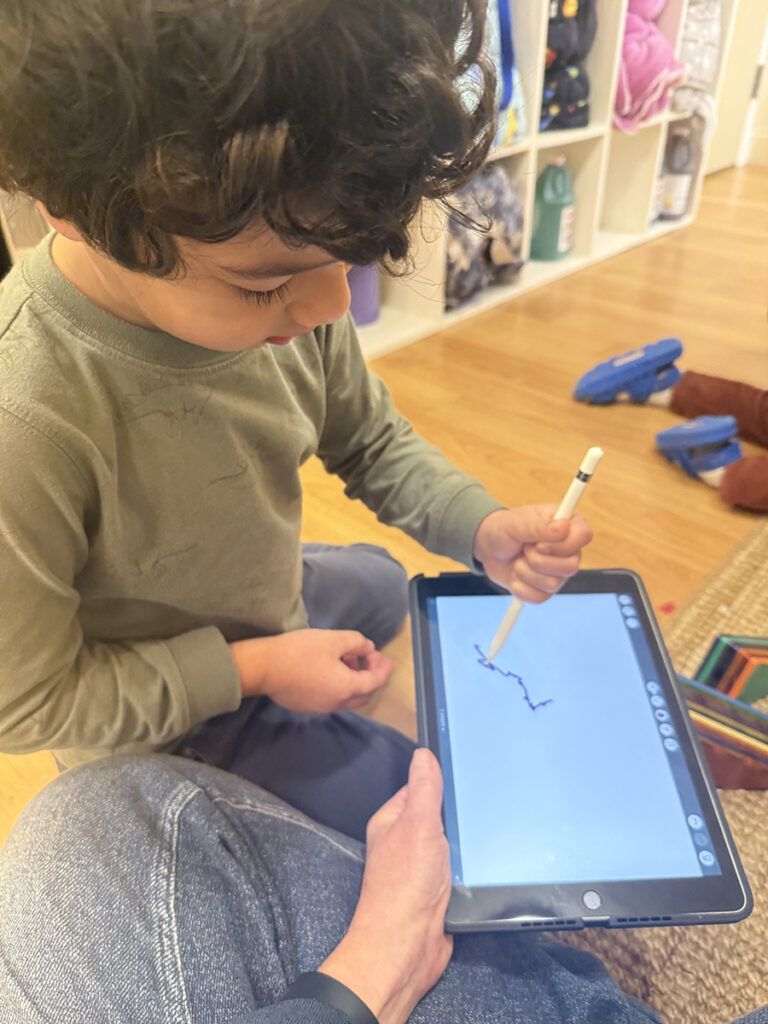
Using digital devices for interactive writing helps children to attend visually and meaningfully to the print. Digital tools make it easy for me to enlarge, highlight, and change the color of the print to help me direct their attention to one-to-one correspondence; directionality; the difference between letters, words, and sentences; and the parts of a text. In whole-class sessions, I sit behind the children and type or write with an Apple Pencil so my body does not block the text as I compose. I can also easily revise what I am composing without having to cross out or get a new sheet of chart paper. Working digitally rather than writing on chart paper makes it easier for me to look at and focus on the children—what they are saying, noticing, and understanding—while I am capturing their thinking in print. In the photo included with this paragraph, we are writing our weekly newsletter together. The children chose the photos they wanted to share with their caregivers, and then each child shared what was happening in the picture or what they enjoyed about the week. I repeat what each child says as I type it and then reread it to make sure I captured their thinking accurately.
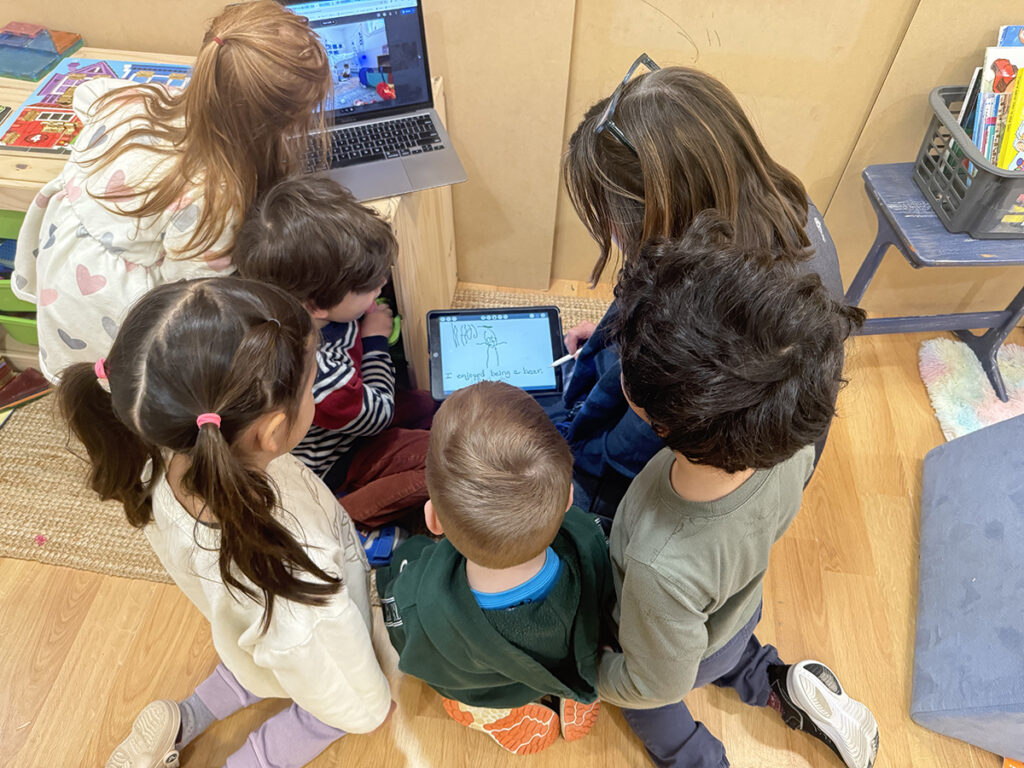
When I want them to see me handwrite during interactive read-aloud, I often use an Apple Pencil. This digital tool allows me to project my hand and enlarge it so everyone can see me writing up close. When I hand write on chart paper, it is difficult for all the children to see my hand as I write. I can also “share the (digital) pen” with my students so they write alongside me. Digital tools have made the teaching approach I have always used much easier to implement in practice and have encouraged active participation in my class. I also use the Apple Pencil in small groups and conferences. I have found that some young learners who have been hesitant to draw or mark make are more interested when I use the Apple Pencil. The Apple Pencil is easy to grip, it’s light, and it gives an instantaneous result that is very satisfying. Kids love to change the color and print their creation out on paper. I have also noticed that once we print it, they are eager to add more details using crayons, markers, and colored pencils. Using digital and paper tools side by side has helped some young creators build confidence.
Digital Media Makes It Easier to Build Background Knowledge in Content Areas
A critical review conducted to determine the influence of background knowledge on the reading comprehension of primary school-aged children found that higher levels of background knowledge enable children to better comprehend texts: “Readers who have a strong knowledge of a particular topic, both in terms of quantity and quality of knowledge, are more able to comprehend a text than a similarly cohesive text for which they lack background knowledge” (Smith et al., 2021. p. 13). Young learners immerse themselves in new environments, learn new information, and engage in new experiences through opportunities provided by digital platforms. “Digital platforms allow for young people to exist between spaces, disregard and cut across borders of many kinds, and blur long-standing boundary notions of appropriateness, correctness, and even readiness” (Souto-Manning et al., 2024, p. 6). Young learners have always explored the world by asking questions. When we support them in developing an inquiry stance, we support the disposition to read to learn and to always consider diverse possibilities, perspectives, and points of view. Digital media can provide students access to endless answers, but only if we teach them to ask critical questions as they consume information.
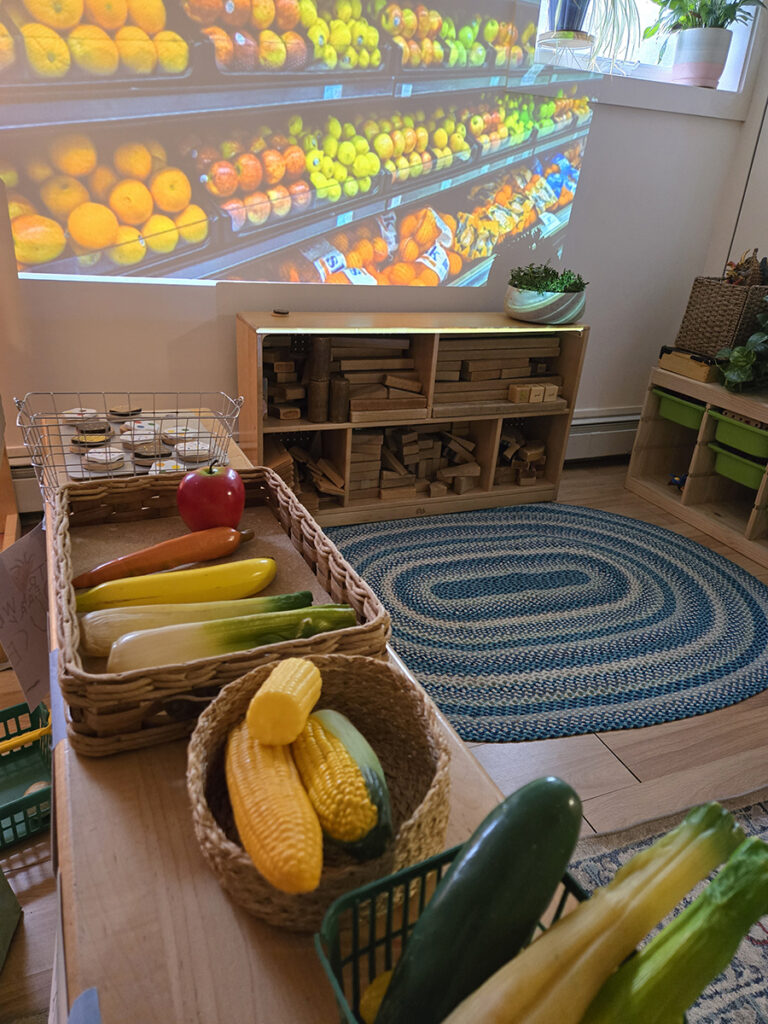
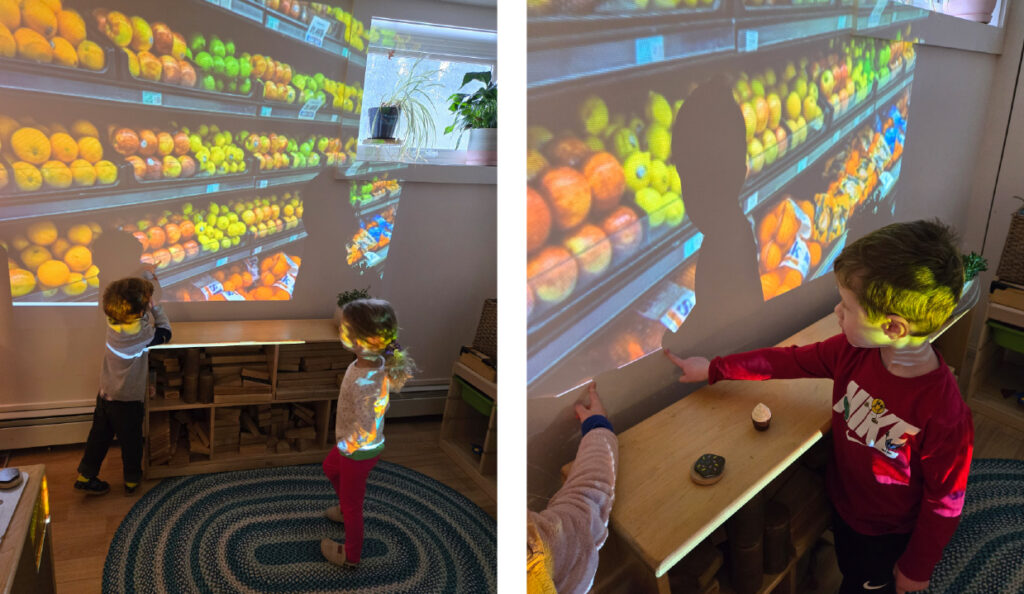
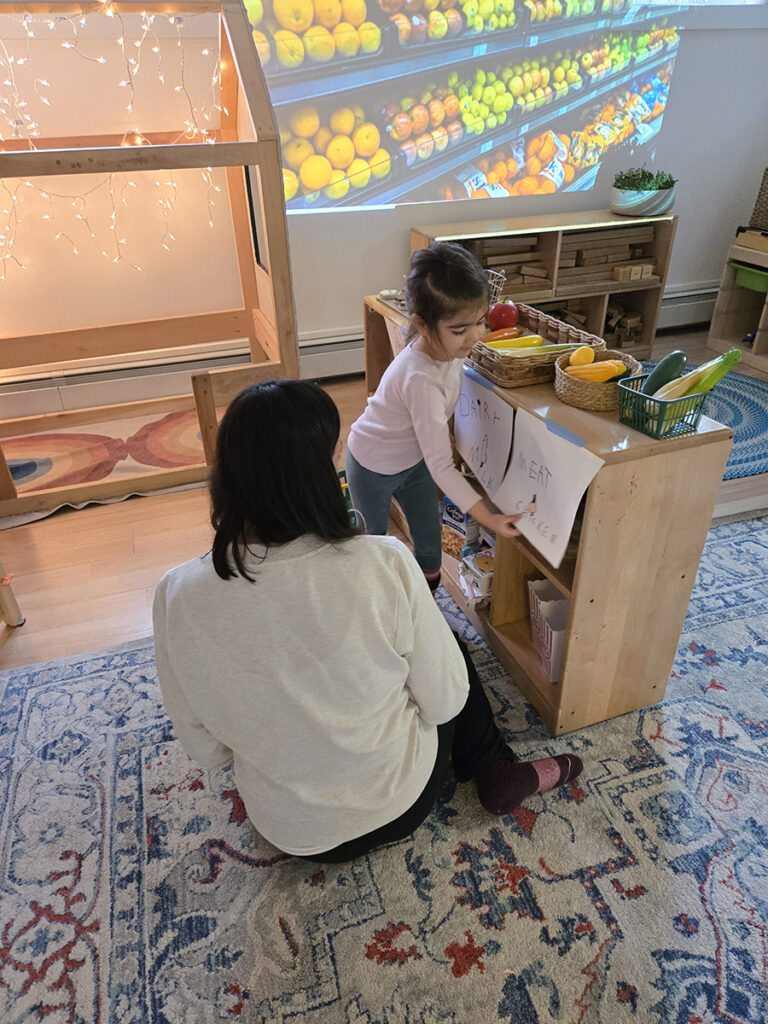
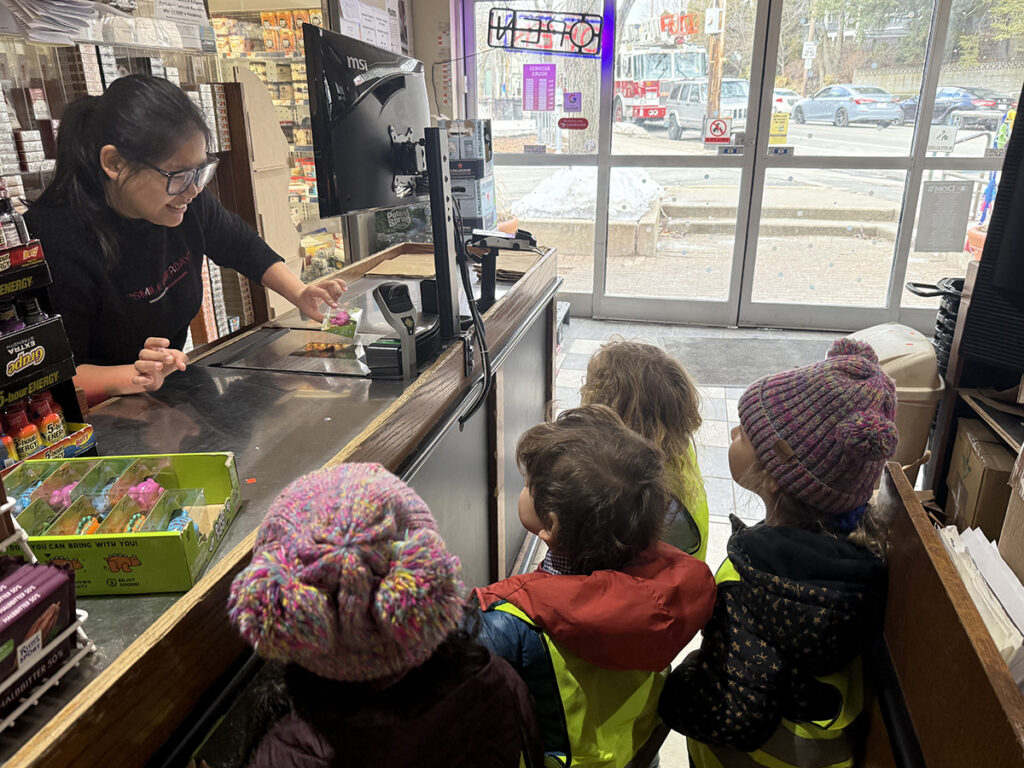
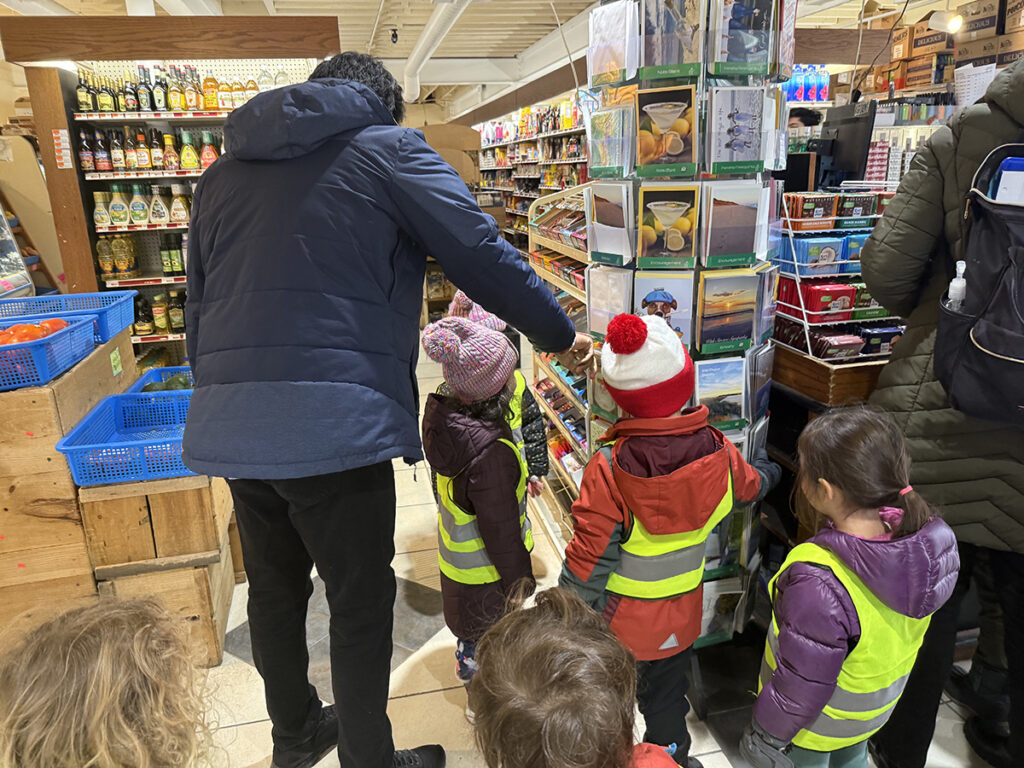
With young learners, we begin reading the world by virtually visiting museums, national parks, concerts, and varied locations. These “trips” are inspired by the experiences, conversations, and questions that occur in our classroom. For example, a student brought a circular flyer from a local grocery store to school. This started a trend and a study of circulars in our class. It was only natural that the students then wanted to create a grocery store in our dramatic play area. We needed more information, so we virtually visited some stores to answer our questions. How is a grocery store designed? What do they have? What do we need to have a grocery store? We spent time in these virtual stores and used them to help us create our grocery store. After weeks of play, we ended our study by physically visiting a grocery store in our community.
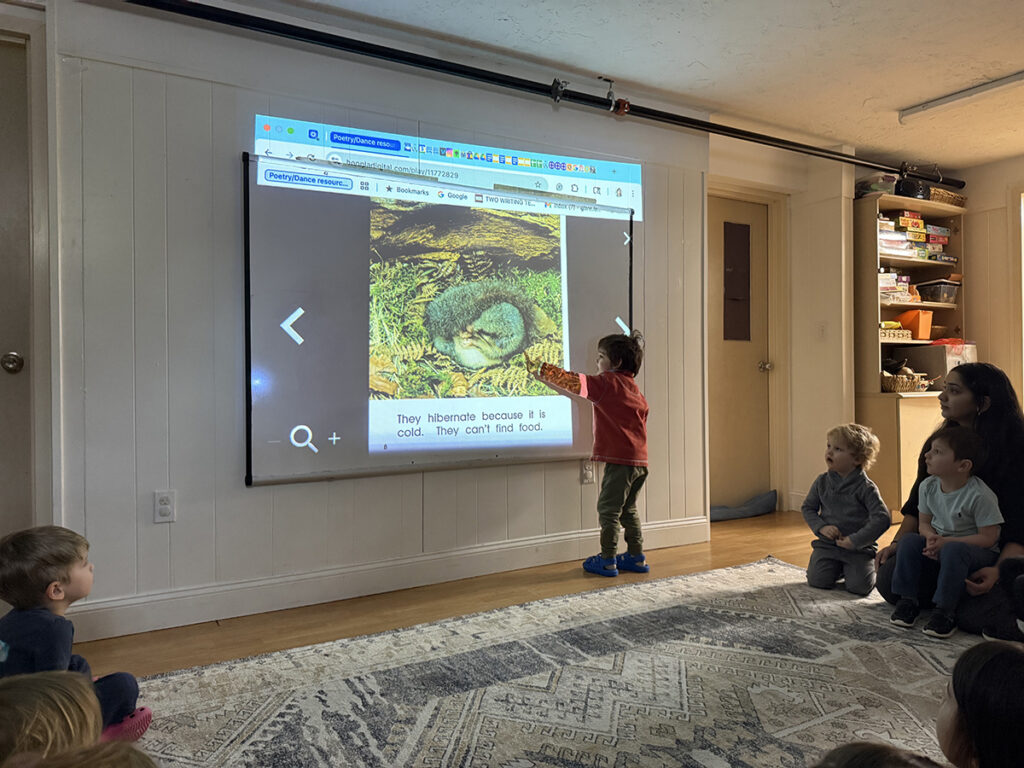
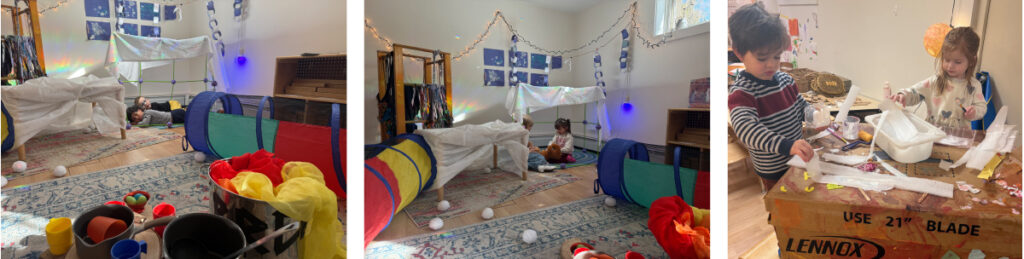
Another recent example was inspired by a fictional story we read about hibernation, The Most Beautiful Winter by Cristina Sitja Rubio. Once we finished the book, we had questions! Which animals hibernate? How do they hibernate? What does it feel like to hibernate? We didn’t have to wait for answers. We found digital texts from the library and immediately projected them so students could find answers to their questions, see details up close, and even join some of the animals underground! They used these images to help create a winter setting in our dramatic play area, complete with snow, caves, and tunnels. They continued to ask questions, share information, and construct understanding as they acted out what they learned from informational texts.
Digital Media Amplifies Access to Texts
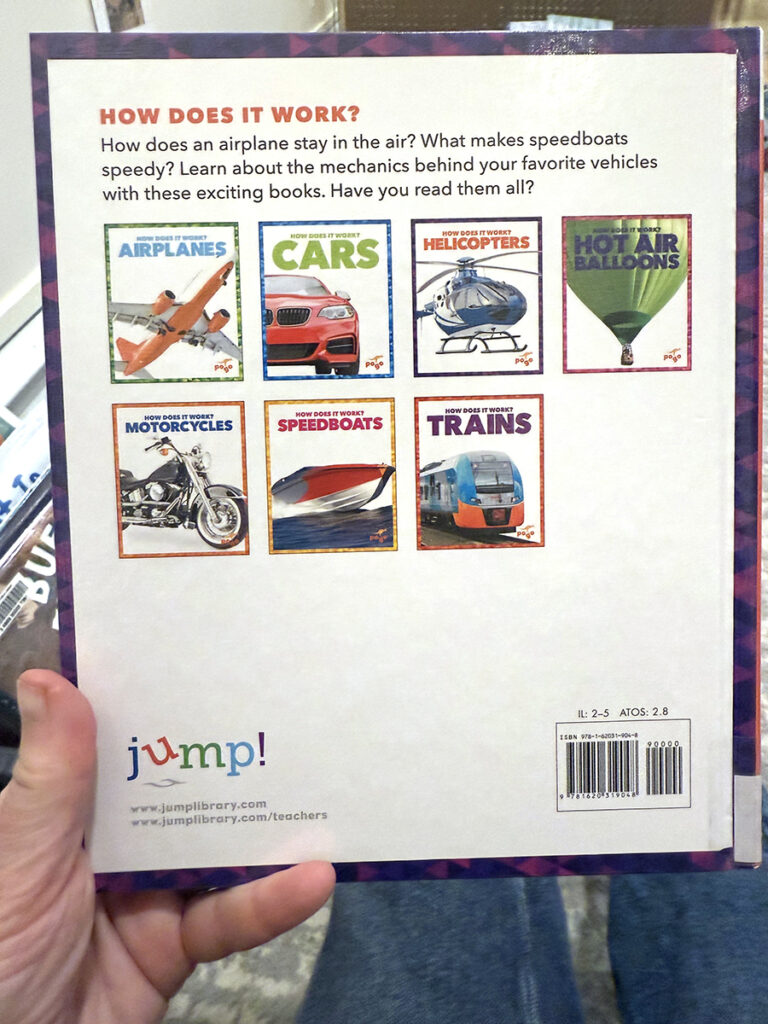
“Miss Clare, Miss Clare—let’s order these books next,” is music to my ears. I love how these young learners are showing me what they want next from the library. There is wide and documented research supporting the need for student-selected reading. “In a 2004 meta-analysis, Guthrie and Humenick found that the two most powerful instructional design factors for improving reading motivation and comprehension were (1) student access to many books and (2) personal choice of what to read” (Allington & Gabriel, 2012). Digital media not only increases access in terms of volume but also allows for more choice with regard to topic, structure, modality, and complexity. Whether it is to learn more about an area of interest, like hibernation or why leaves change color, to find more books by an author they love, or to read the next book in a series, these young readers understand that more books are only a click away!
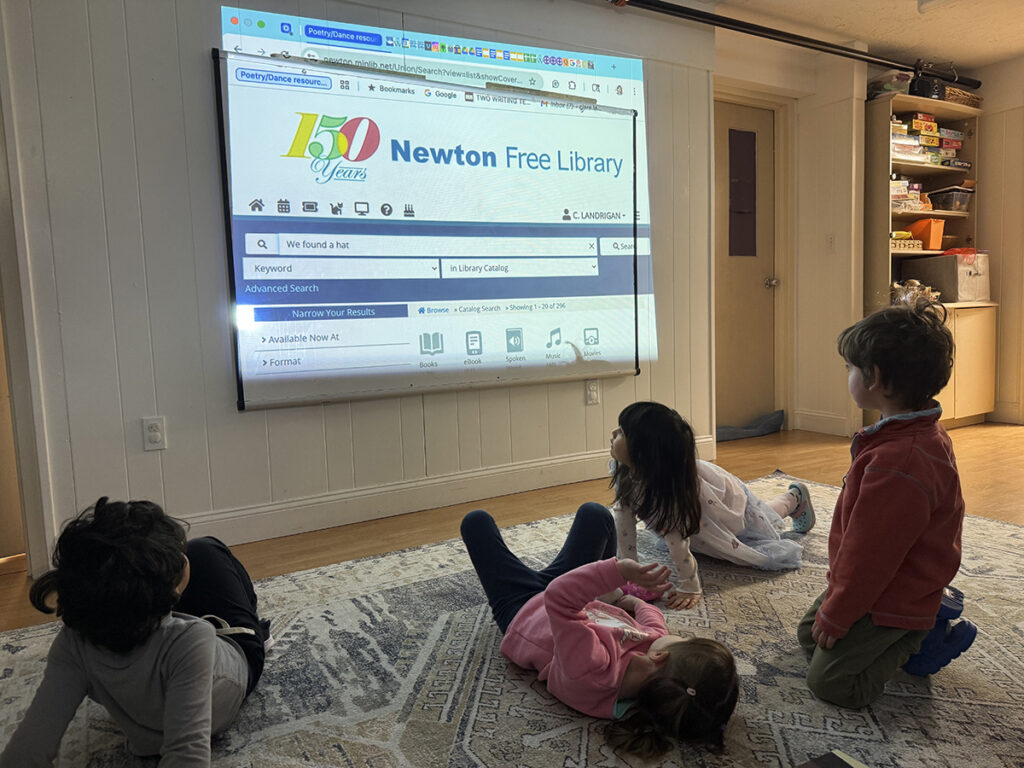
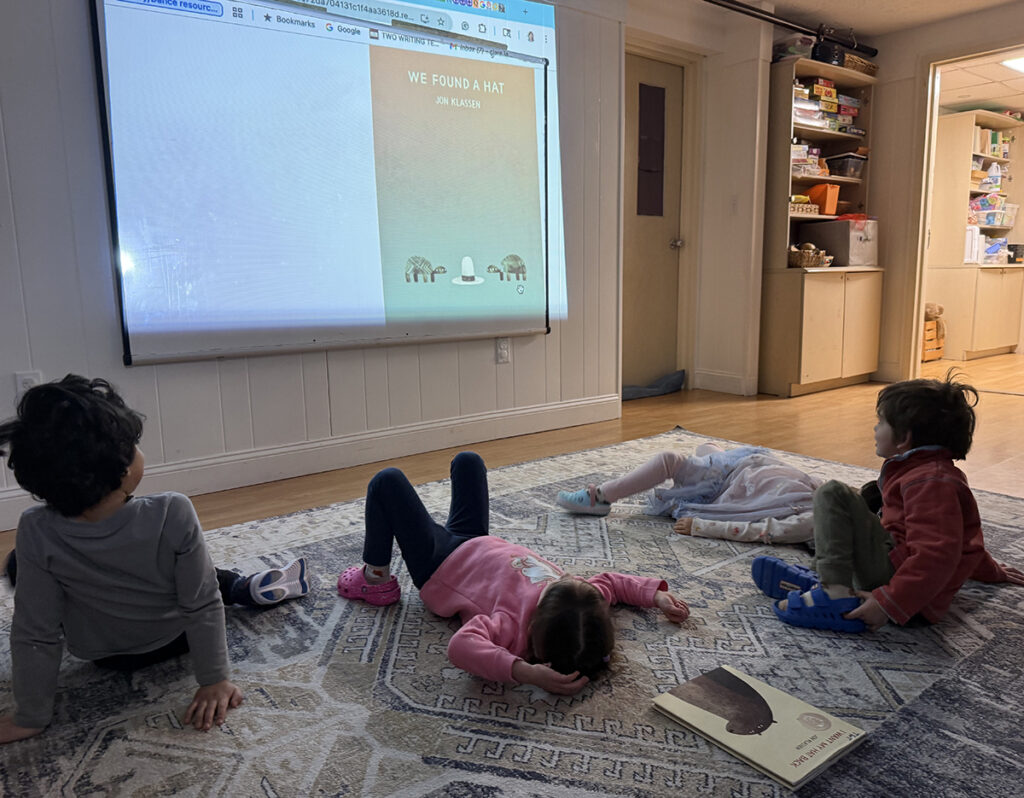
It is not enough to have digital media magically appear in the classroom. It is important to teach children how to find texts that engage them and how to borrow them from the library with a device. This doubles down on access by modeling both dispositions and the skills to bring those dispositions to reality. Teaching them step by step, on varied types of devices, how to access books ensures they know what a library is, where their physical library is in their community, AND how to access paper and digital texts from it.
Digital Media Invites Students to Dramatize Texts
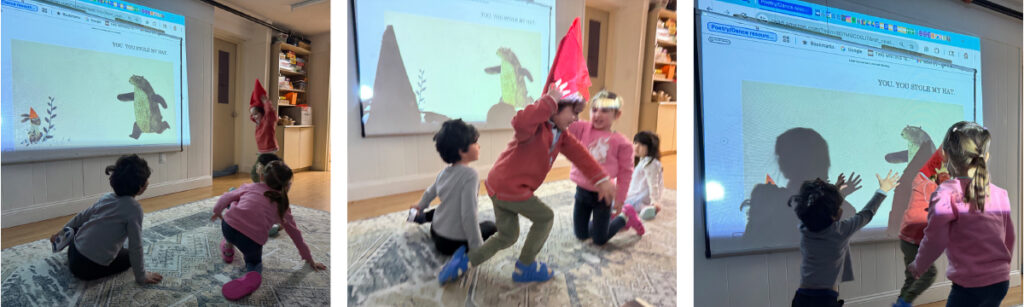
The opening snapshot of George and Jack’s creative block play in my classroom inspired me to take on this “teacher as researcher” work. I have long believed that dramatic play is a natural, innate form of learning for children. Children play house and pretend to be doctors, teachers, dinosaurs, and characters from books. In their book Imagining to Learn, Jeffrey Wilhelm and Brian Edmiston define drama simply as, “wondering, ‘What if…?’ and then interacting with others in a drama world as if that imagined reality was actual” (1998, pp. 3–4). “Asking ‘What if . . .?’ is not an optional question in the curriculum—imagining possibilities is the core of understanding other people, other times, and other places” (p. 4). Digital media provides an opportunity for students to enter texts, walk beside characters, and even act “as if” they are the characters. Projecting the text’s pages invites students to play with stories and to construct an understanding of abstract terms such as setting, mood, point of view, and tension. Research shows that if you can’t imagine it, you can’t comprehend it (Bell, 1991; Snow, 2002; Hibbing & Rankin-Erickson, 2003; De Koning & Van der Schoot, 2013). By playing out the scenes in texts again and again, young readers learn the importance of imagining as they read, bringing a text to life. They can rehearse story structure, negotiate dialogue and character roles, and experiment with language in meaningful contexts. They can experience settings and feel the tension building in the plot. They can also revise and rewrite stories by trying out different endings, problems, and points of view.
These readers pictured below are acting out a favorite story that we have read again and again in a paper version. We are using a digital version so the kids can see the page enlarged at eye level. With a single prop—made by them—they are off and running to dramatize this story. They take turns being characters, shifting their voices to express emotion and mimicking the characters as they play out this story.
Being an educator for over thirty years puts me in the position of having to unlearn as often as, if not more often than, I learn. The pace of change and progress outpaces anything I could have imagined at the beginning of my career. Who would have known I would be wearing a watch that navigates my journeys, tracks my sleep, monitors my vitals, and follows my commands with a flip of my wrist? My commitment to being a lifelong learner includes letting go of some long-held practices, beliefs, and opinions. For me, it is essential to read current research, to engage in professional learning, and to center students through observation. When it comes to digital literacy and young learners, I have had to let go of some things that felt comfortable to me—my familiarity with something does not make it best practice, and my lack of understanding does not make it wrong.
I will never give up cozying in to read a paper version of a book with kids. I also know that if the recommendation for screen media time is an hour a day for preschoolers, I need to think deeply about how I use the 10–15 minutes in my classroom, even if that is within a day or a week. Alvin Toffler said, “The illiterate of the 21st century will not be those who cannot read and write, but those who cannot learn, unlearn, and relearn” (1970, p. 271), as adaptability over fixed knowledge will be essential in a rapidly changing world. As educators, we walk beside our students, continually wondering, “What if . . .?” Young learners have always been my best learning partners—who better to learn, unlearn, and relearn with? What a privilege it is to learn from these young, brilliant minds!
References
Allington, R. L., & Gabriel, R. E. (2012). Every child, every day. Educational Leadership, 69(6). https://www.ascd.org/el/articles/every-child-every-day
American Academy of Pediatrics. (2026). Digital ecosystems, children, and adolescents: Policy statement from the American Academy of Pediatrics. Pediatrics, 157(1). https://doi.org/10.1542/peds.2025-075320
Bell, N. (1991). Gestalt imagery: A critical factor in language comprehension. Annals of Dyslexia, 41(1), 246–260. https://doi.org/10.1007/BF02648089
Burkins, L., & Sibberson, F. (2023). Classroom design for student agency: Create spaces to empower young readers and writers. National Council of Teachers of English.
Clay, M. M. (2001). Change over time in children’s literacy development. Heinemann.
De Koning, B. B., & van der Schoot, M. (2013). Becoming part of the story! Refueling the interest in visualization strategies for reading comprehension. Educational Psychological Review, 25(2), 261–287. https://doi.org/10.1007/s10648-013-9222-6
Fraser, S. (2012). Authentic childhood. Nelson Education.
Glenberg, A. M., Gutierrez, T., Levin, J. R., Japuntich, S., & Kaschak, M. P. (2004). Activity and imagined activity can enhance young children’s reading comprehension. Journal of Educational Psychology, 96(3), 424–436.
Guthrie, J. T., & Humenick, N. M. (2004). Motivating students to read: Evidence for classroom practices that increase reading motivation and achievement. In P. McCardle & V. Chhabra (Eds.), The voice of evidence in reading research (pp. 329–354). Paul H. Brookes Publishing Co.
Hibbing, A. N., & Rankin-Erickson, J. L. (2003). A picture is worth a thousand words: Using visual images to improve comprehension for middle school struggling readers. The Reading Teacher, 56(8), 758–770. https://www.jstor.org/stable/20205292
Hostetter, A. B., & Alibali, M. W. (2008). Visible embodiment: Gestures as simulated action. Psychonomic Bulletin & Review, 15(3), 495–514. https://doi.org/10.3758/pbr.15.3.495
Rosenblatt, L. M. (1978). The reader, the text, the poem: The transactional theory of the literary work. Southern Illinois University Press
Smith, R., Snow, P., Serry, T., & Hammond, L. (2021). The role of background knowledge in reading comprehension: A critical review. Reading Psychology, 42(3). https://doi.org/10.1080/02702711.2021.1888348
Snow, C. E. (2002). Reading for understanding: Toward a research and development program in reading comprehension. RAND Corporation. https://www.rand.org/pubs/monograph_reports/MR1465.html
Souto-Manning, M., Martell, J., & Álvarez, B. (2024). Reading, writing, and talk: Teaching for equity and justice in the early grades. (2nd ed.). Teachers College Press.
Toffler, A. 1970. Future shock. Random House.
Wilhelm, J.D., and Edmiston, B. (1998). Imagining to learn: Inquiry, ethics, and integration through drama. Heinemann.