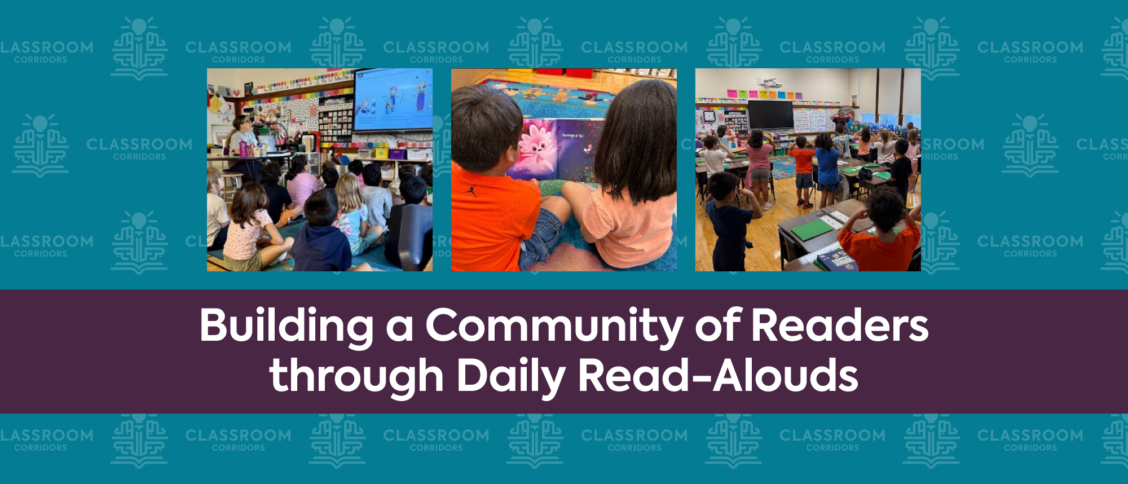

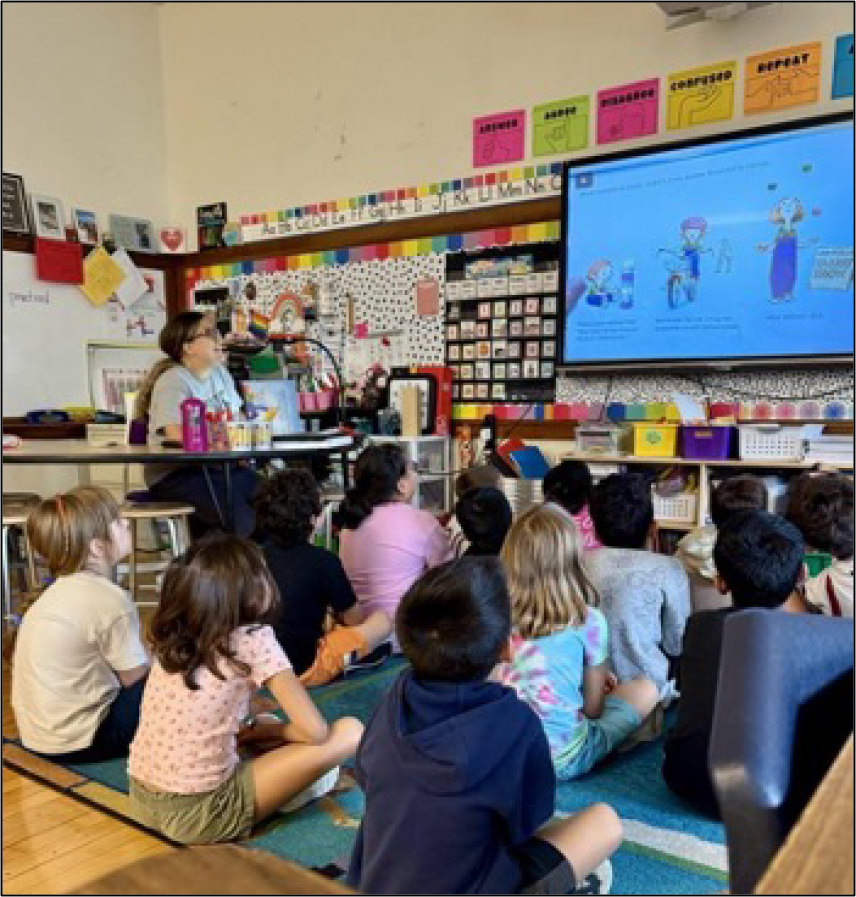
I had been teaching third grade for nearly a decade and was accustomed to sharing the same stories year after year with students using our basal reading curriculum. These readings were tied to weekly comprehension tests and did not always foster a deep connection between the text and my readers. It felt like I was teaching on autopilot and needed something to spark joy in my classroom again for myself and my students. It was then that I discovered #classroombookaday originated by Jillian Heise. The goal of her program is to read a picturebook aloud every day to students to build community and increase student engagement and enjoyment of reading (Heise Reads and Recommends, n.d.).
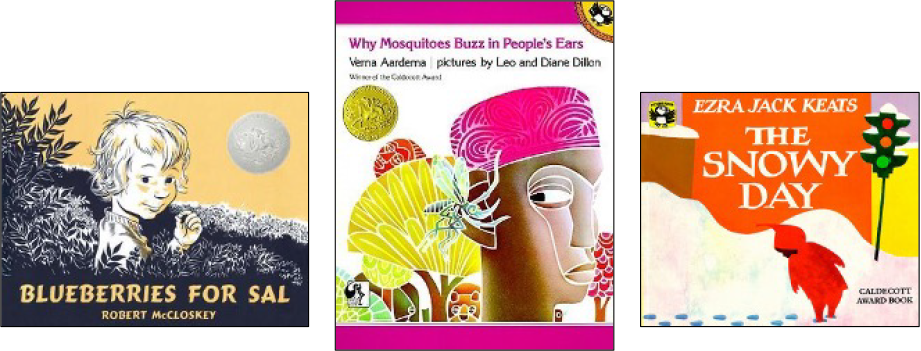
When I decided to bring this program to my students, I got started by sharing the books I grew up borrowing from the Chicago Public Library—classics like Blueberries for Sal, Why Mosquitoes Buzz in People’s Ears, and The Snowy Day. With each trip to the library, I discovered new fiction titles I felt my students would find engaging based on their interests and cultural backgrounds as well as narrative nonfiction titles that would teach history in an enjoyable way.
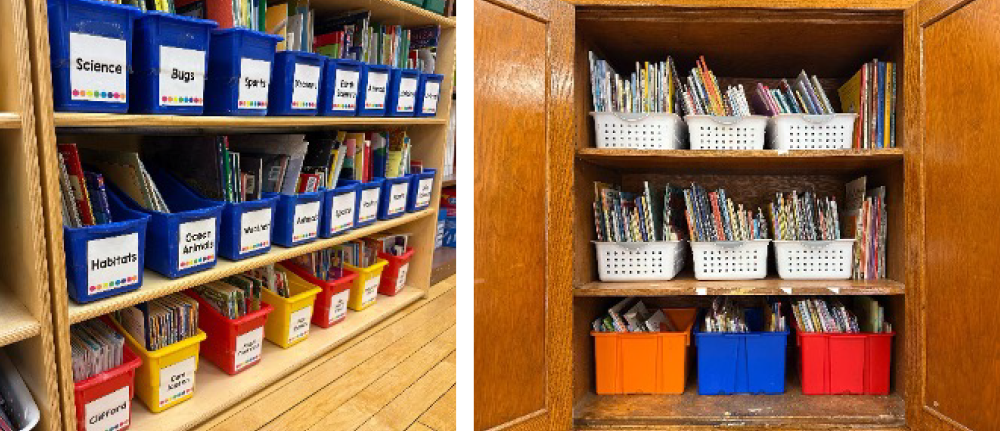
Instagram accounts such as The Book Wrangler (@thebookwrangler), MaiStoryBook (@maistorybooklibrary), Kids’ Books with Elizabeth (@thekidlitmama) and others have been tremendously helpful in my search for new and relevant books to bring to my students. Using social media as a resource, I discovered new titles to bring to my students that would give them access to mirrors reflecting their home cultures and lifeways as well as windows into the lives and experiences of a diverse group of characters and real people while providing a rich literacy learning experience (Bishop, 1990). Over time, I have been able to create a collection of physical and digital books that reflect each unique group of students who have shared my classroom. Every year is different as I discover new titles, uncover new connections to content, and respond to student needs and interests.
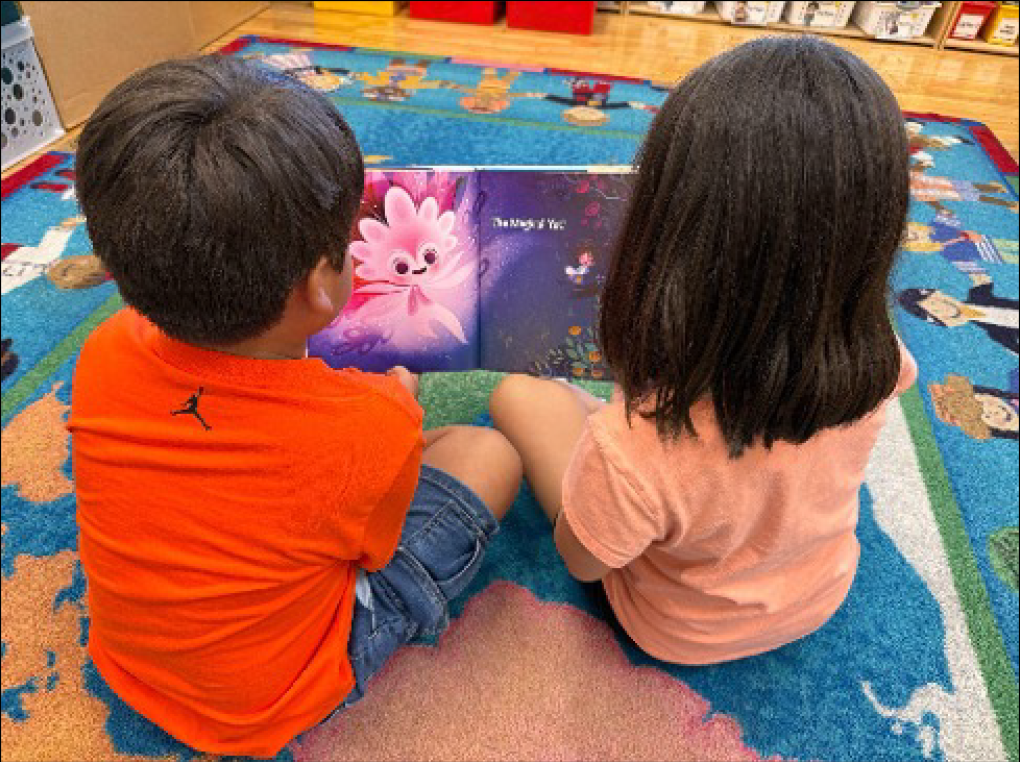
Reading aloud is a powerful tool for building comprehension and introducing emerging and fluent readers alike to novel vocabulary words using complex texts (Walther, 2018). The books in my collection elicit deep conversations around characters’ responses to challenges and connections across other texts we have shared. In my current assignment as a second-grade teacher, much of my structured literacy block is dedicated to training students to apply phonics knowledge they have gained through daily explicit instruction using the Orton-Gillingham approach. Reading aloud develops students’ foundational comprehension and prepares them to engage in skilled reading independently once they have “cracked the code” of phonics and developed their oral reading fluency through regular practice with decodable texts. Once we have shared a book together, I add it to special bins in my classroom library for students to enjoy on their own or with a classmate.
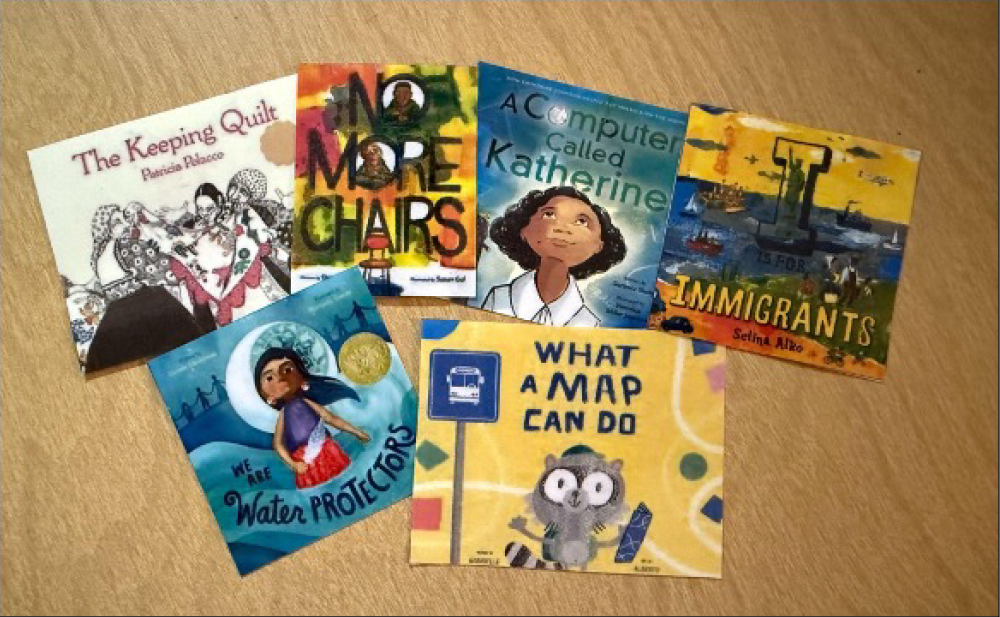
I utilize daily read-alouds to complement the curricular materials provided by the school, not just during language arts instruction, but also to support my teaching in the content areas of math, science, social studies, and social emotional learning. As a result, I am teaching literacy well beyond the confines of the literacy block. By listening to culturally relevant and engaging works of literature and nonfiction, students gain opportunities to make connections with science and social studies content. They can practice empathy and engage in perspective taking as they converse about reading, pose questions, support their opinions, and disagree respectfully with peers.
The most common question I have been asked since bringing this routine to my classroom is not about book recommendations or my classroom display, but time. When do I find the time to read to my students every day? When I am planning my lessons, I intentionally look for opportunities to incorporate titles I know will build students’ background knowledge or pique their curiosity about concepts I will present. I enjoy sharing books about the holidays my students celebrate because I believe in the power of representation to foster a sense of belonging in the classroom and the wider school community. After lunch and recess are great times for us to come together on the carpet to enjoy stories, both silly and serious, that they can go home and retell to their families.
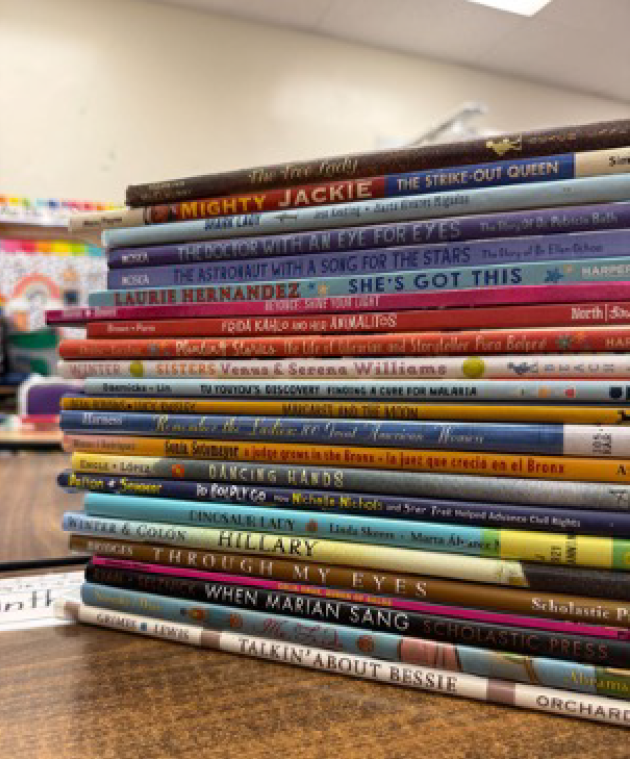
My favorite month for #classroombookaday is March. For Women’s History Month, we meet one influential woman each day from diverse cultural backgrounds, fields of achievement, and times in history up to the present day. We discuss their stories, what these women have in common, obstacles they faced, and connections to our own lives. These stories of persistence stick with students thanks to the remarkable authors who bring these true stories to children, and it is my privilege to share them with my class each year.
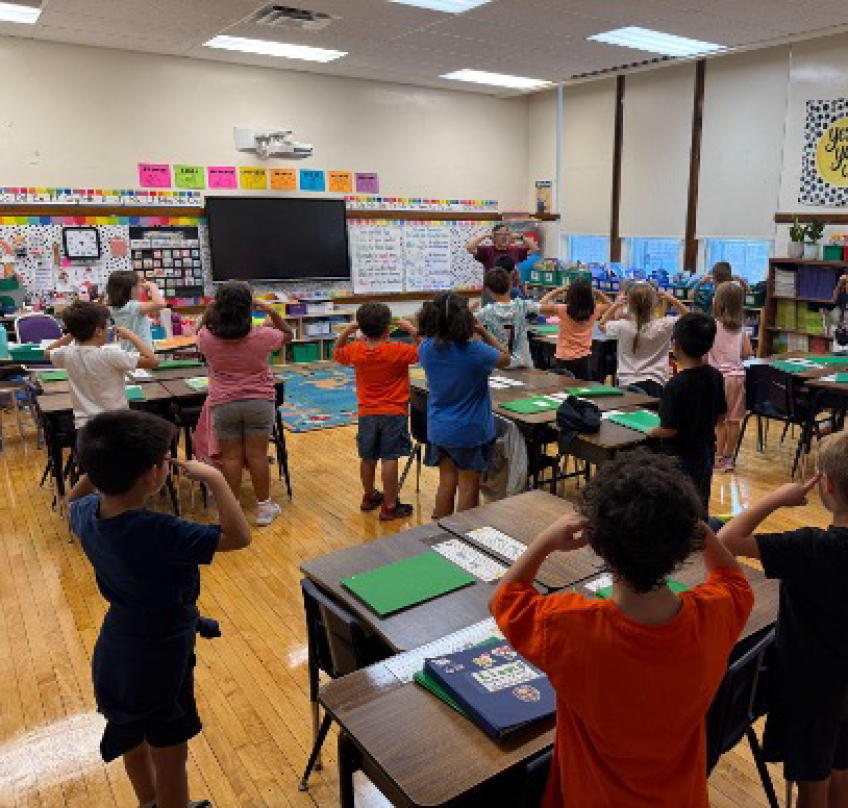
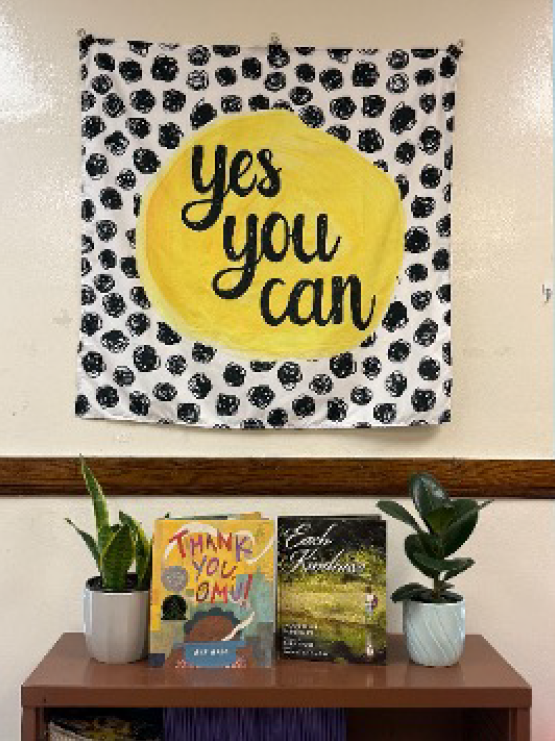
The first book I read for the past several years has been I’m Gonna Push Through by Jasmyn Wright. This book sets the tone for our school year and introduces the call and response affirmations we recite as a class before we start our day. Another back-to-school staple is Each Kindness by Jacqueline Woodson. This book masterfully illustrates the importance of taking every opportunity to show kindness to others who are different from yourself. My favorite silly stories to share are from Jon Klassen’s I Want My Hat Back series. Favorite authors I share year after year are Patricia Polacco (The Keeping Quilt, Chicken Sunday), Julia Finley Mosca (The Girl Who Thought in Pictures, The Girl with a Mind for Math), and Andrea Beaty (The Questioneers series).
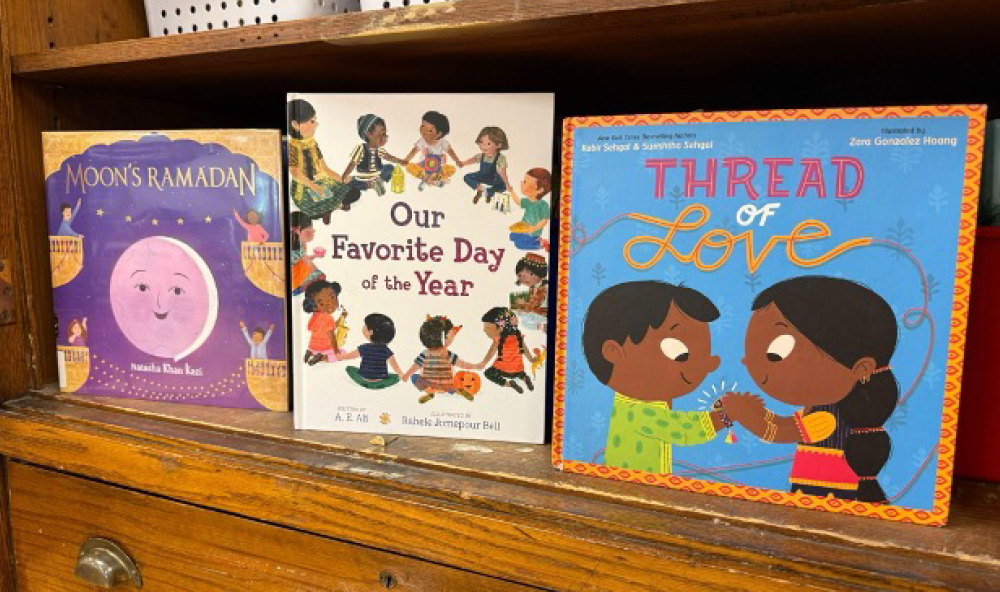
After getting to know my students each year, I add books that reflect their families, such as Our Favorite Day of the Year, Moon’s Ramadan, and Thread of Love, a book about the Indian festival of Raksha Bandhan. It is important for me to build my collection each year with my students and their families in mind. Since our school is currently without an onsite library, I feel responsible for bringing stories like these to my students as they begin to build their reading lives.
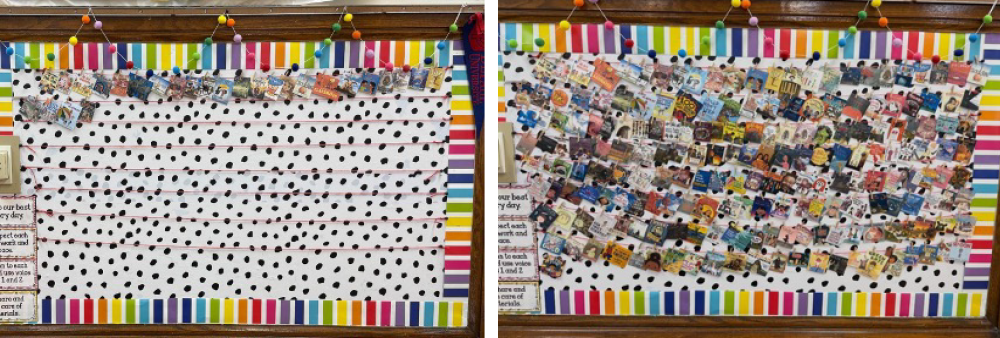
The #classroombookaday display has been a fixture in each classroom I have taught in since 2017. I even created a digital version using Padlet during the COVID-19 pandemic, when I taught remotely from my home. While the collection of books changes from year to year, my book wall has always featured miniature replicas of each book’s cover, jute twine, and tiny clothes pins surrounded by a rainbow-colored border. Students are always skeptical when I introduce the display during the first week of school and tell them that the wall will be covered by the end of the year. They cannot fathom what it will look like or how we will accomplish it, but we always do. Each year’s board serves as a reminder of our collective journey as a community of readers—a timeline of special days, celebrations, characters, and real people we’ve met and come to know through their words and actions. At the conclusion of the year, I take a picture of the display to share with my students’ families via email and take it down knowing that next year’s board will be different than all the others before it because of the new group who will create it.
References
Bishop, R. S. (1990). Mirrors, windows, and sliding glass doors. Perspectives: Using and Choosing Books for the Classroom, 6(3). ix–xi. https://scenicregional.org/wp-content/uploads/2017/08/Mirrors-Windows-and-Sliding-Glass-Doors.pdf
Heise Reads & Recommends. (n.d.). #Classroombookaday. Retrieved November 9, 2026, from https://www.heisereads.com/classroombookaday/
Walther, M. (2018, July 5). E.N.G.A.G.E.: Six tips for ramping-up your read aloud experiences. Corwin Connect. https://corwin-connect.com/2018/07/e-n-g-a-g-e-six-tips-for-ramping-up-your-read-aloud-experiences/
Recommended Picturebooks for #ClassroomBookaDay
- The Astronaut with a Song for the Stars: The Story of Dr. Ellen Ochoa by Julia Finely Mosca
- Beyonce: Shine Your Light by Sarah E. Warren
- Blueberries for Sal by Robert McCloskey
- Celia Cruz, Queen of Salsa by Veronica Chambers
- A Computer Called Katherine: How Katherine Johnson Helped Put American on the Moon by Suzanne Slade
- Dancing Hands: How Teresa Carreno Played the Piano for Abraham Lincoln by Margarita Engle
- Dinosaur Lady: The Daring Discoveries of Mary Anning, the First Paleontologist by Linda Skeers
- The Doctor with an Eye for Eyes: The Story of Dr. Patricia Bath by Julia Finely Mosca
- Each Kindness by Jacqueline Woodson
- Frida Kahlo and Her Animalitos by Monica Brown
- Hillary by Jonah Winter
- I Is for Immigrants by Selina Alko
- I’m Gonna Push Through! By Jasmyn Wright
- The Keeping Quilt by Patricia Polacco
- The Magical Yet by Angela DiTerlizzi
- Margaret and the Moon: How Margaret Hamilton Saved the First Lunar Landing by Dean Robbins
- Me, Frida by Amy Novesky
- Mighty Jackie: The Strike-Out Queen by Marissa Moss
- Moon’s Ramadan by Natasha Khan Kazi
- No More Chairs by Dan Gill
- Our Favorite Day of the Year by A. E. Ali
- Planting Stories: The Life of Librarian and Storyteller Pura Belpre by Anika Aldamuy Denise
- Remember the Ladies: 100 Great American Women by Cheryl Harness
- Shark Lady: The True Story of How Eugenie Clark Became the Ocean’s Most Fearless Scientist by Jess Keating
- She’s Got This by Laurie Hernandez
- Sisters: Venus and Serena Williams by Jeanette Winter
- The Snowy Day by Ezra Jack Keats
- Sonia Sotomayor: A Judge Grows in the Bronx by Jonah Winter
- Talkin’ About Bessie by Nikki Grimes
- Thank You Omu! by Oge Mora
- Thread of Love by Kabir Sehgal and Surishtha Sehgal
- Through My Eyes by Ruby Bridges
- To Boldly Go: How Nichelle Nichols and Star Trek Helped Advance Civil Rights by Angela Dalton
- The Tree Lady by H. Joseph Hopkins
- Tu Youyou’s Discovery: Finding a Cure for Malaria by Songju Ma Daemicke
- We Are Water Protectors by Carole Lindstrom
- What a Map Can Do by Gabrielle Balkan
- When Marian Sang by Pam Munoz Ryam
- Why Mosquitoes Buzz in People’s Ears by Verna Aardema