
Nonfiction poetry picturebooks invite students to think deeply by combining poetry, informational text, illustrations, and text features in a way that sparks curiosity, deepens comprehension, and creates meaningful connections across disciplines.
Featured Title
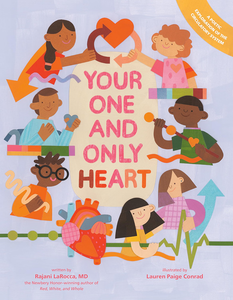
Your One and Only Heart
By Rajani LaRocca, illustrated by Lauren Paige Conrad
This book teaches young readers about the circulatory system through poetry, engaging images, and diagrams. Each poem represents an aspect of the heart, such as the heart is singular or cooperative or electric, etc.; the backmatter goes into much more detail about each aspect in scientific terms and includes additional images to show how the heart works.
Potential Discussion Questions
- How does reading about a scientific topic through poetry change your experience as a reader?
- How do the words and illustrations work together to help us understand the science?
- Based on the poem “Your Heart is Cooperative,” why is the heart “the captain of Team Cardiovascular”?
- How is your heart both simple and complex?
- How does the heart beat change based on the size of the animal’s body?
- What does this quote mean to you: “Your one and only heart . . . does everything it’s supposed to do. Just like you.”
- Read the different sections and examine the diagrams in the backmatter. What additional information can you gain from the backmatter about how the heart functions? How does the backmatter connect to the poetry?
- Do you prefer learning about the heart from the backmatter or the poetry? Why?
- What is your favorite poem in the book and why?
- What poem do you think teaches you the most about the heart?
- What questions do you still have about the heart?
Other Recommended Titles
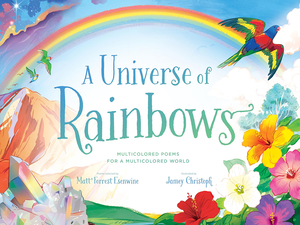
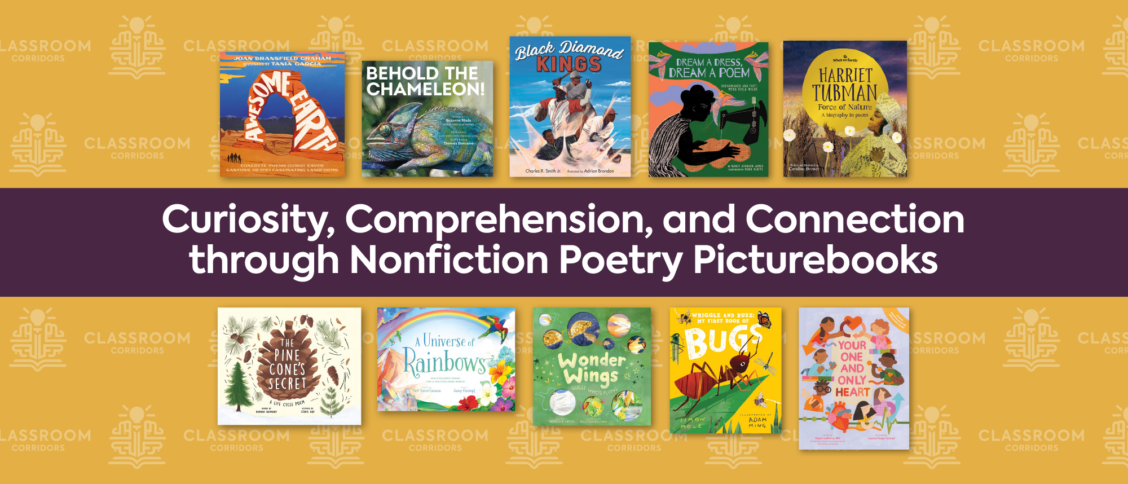
A Universe of Rainbows: Multicolored Poems for a Multicolored World
By Matt Forest Esenwine, illustrated by Jamey Christoph
This book is a beautiful collection of 22 poems about different types of “rainbows,” from a traditional rainbow in the sky to rainbow eucalyptus trees to a rainbow lorikeet. Each page includes a poem, illustration, and nonfiction text to learn more about the “rainbow” described in the poem. The backmatter includes recommended resources for each topic and a glossary of scientific terms from the book. This book can be read from cover to cover and is also perfect for choosing one or two poems to focus on. Having the poem and nonfiction text on the same page allows students to explore how the same topic can be presented in different ways. Students can compare the poetic language with the factual information in the nonfiction text. They can then use the text as a mentor text to write their own nonfiction summary and poem about a topic.
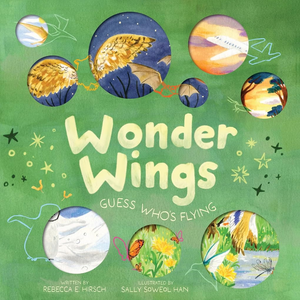
Wonder Wings: Guess Who’s Flying
By Rebecca E. Hirsch, illustrated by Sally Soweol Han
This book is filled with engaging illustrations. The format is a short poem about an aspect of nature with wings, an opportunity to guess what the poem is describing, and then a reveal. This structure is highly engaging for young readers, asking them to think deeply about the text to make their guess. The backmatter offers additional information about each thing with wings in a nonfiction prose format. The title and the format set up for a lesson on questioning and encourage students to consider what they still wonder about the topic in the book, potentially motivating them to do additional research to find the answers to their questions.
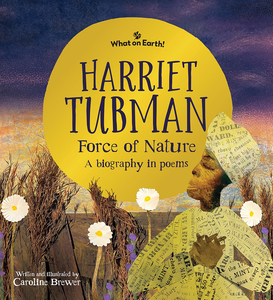
Harriet Tubman, Force of Nature: A Biography in Poems
By Caroline Brewer
This book follows Harriet Tubman’s life chronologically from 1822 to 1913 and uses illustrations created through collage to draw the reader into the story. The book is captivating from the first page and offers opportunities for the youngest readers to learn more about Tubman and older readers to go deeper into her life. The backmatter includes a glossary, additional information about the illustrations, a map, source notes, and historical photos. After reading, I would ask students what information they learned from the illustrations that the words did not provide. It is also a book that students could picture-walk through the text before reading to generate questions and make predictions.
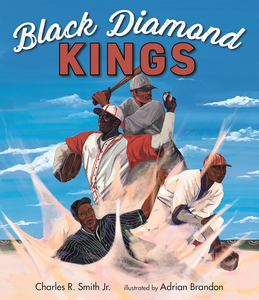
Black Diamond Kings
By Charles R. Smith Jr., illustrated by Adrian Brandon
This collection of poems shares information about twelve baseball players who played in the Negro leagues. The poems are written in various structures and styles. The backmatter includes notes about each player and additional historical facts about the time period and Negro league. This book does not include a glossary as part of the backmatter, and that presents an opportunity for students to create their own glossary based on vocabulary within the book.
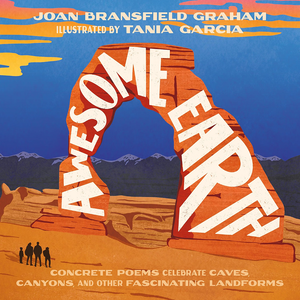
Awesome Earth: Concrete Poems Celebrate Caves, Canyons, and Other Fascinating Landforms
By Joan Bransfield Graham, illustrated by Tania Garcia
This captivating book is filled with concrete style poems about various landforms. Each landform is presented through a poem shaped like the landform and includes a background illustration of the landform. These concrete poems provide students with an opportunity to experience a different style of poetry while learning facts about landforms. The backmatter includes specific facts about each landform, a glossary, and additional resources. After reading, ask students how the poetic structure impacts their understanding of the topic and then have them create their own concrete poem.
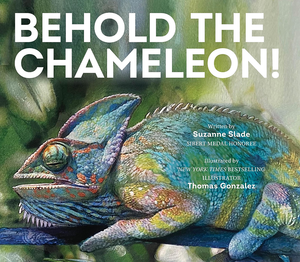
Behold the Chameleon!
By Suzanne Slade, illustrated by Thomas Gonzalez
This book is one poem with a few words or phrases on each page along with a detailed paragraph sharing nonfiction information connected to that part of the poem. This book works well with layered reading. I recommend reading the entire poem without stopping to examine the prose sections and then going back to read the informational text. Then, read the backmatter and revisit the poem again before generating questions about the topic and gathering facts from the text.
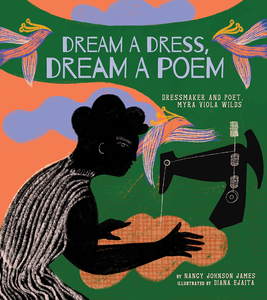
Dream a Dress, Dream a Poem: Dressmaker and Poet, Myra Viola Wilds
By Nancy Johnson James, illustrated by Diana Ejaita
This book uses eye-catching art and poetry to tell the story of Myra Viola, who began her life in rural Kentucky, moved to the city, and became a dressmaker. After losing her eyesight, Myra became a poet. The backmatter includes more biographical information about Myra, including a photograph of her and one of her poems. After reading, students could create a timeline of her life and discuss which lines in the poem stand out to them. They could also compare and contrast the poetry from the book and Myra’s poem that are written in a similar style.
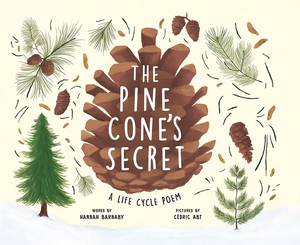
The Pine Cone’s Secret: A Life Cycle Poem
By Hannah Barnaby, illustrated by Cedric Abt
This book shares the life cycle of a pine tree. The words tell the story with scientific elements of the life cycle, and the illustrations show how this life cycle impacts humans and animals. The backmatter has diagrams, additional facts, maps, trivia, jokes, and even instructions for a craft. This book is perfect to discuss how the images deepen understanding and add meaning to the poem.
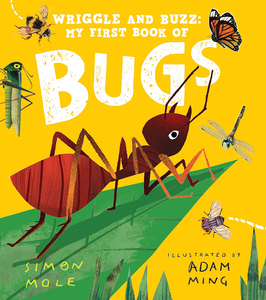
Wriggle and Buzz: My First Book of Bugs
By Simon Mole, illustrated by Adam Ming
This book features 28 different insects and other tiny creatures and poems that showcase what makes them special. It uses poetic elements to share specific facts and includes humor that will engage young readers. It is a book that can be read cover to cover, or students can choose the bugs that they are most interested in to read about and explore. The backmatter includes additional facts about insects and not insects and how to tell them apart, as well as why bugs are essential for the environment and what we can do to protect them. After reading, students can gather information from the poems and backmatter to create their own synthesis about the topic.