



During my first couple of years of teaching, I noticed that despite students coming in with vibrant imaginations and endless ideas for stories, few seemed genuinely enthused about writing. They did not complain or refuse to write; they just never seemed to engage with their stories the way I had hoped. I wanted my first graders to see writing as a powerful, accessible, and enjoyable way to express their ideas and beliefs. I decided that if I wanted to foster and encourage this love of writing, my writing workshop needed to be reshaped to better support my students as writers by incorporating play, storytelling, and collaboration.
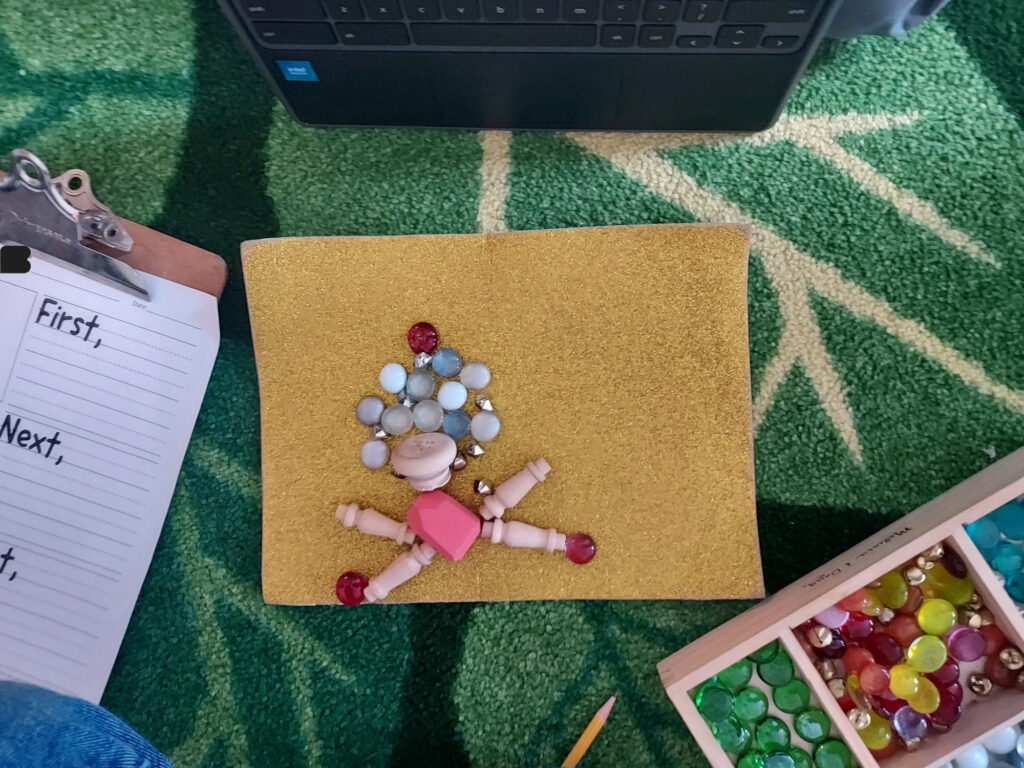
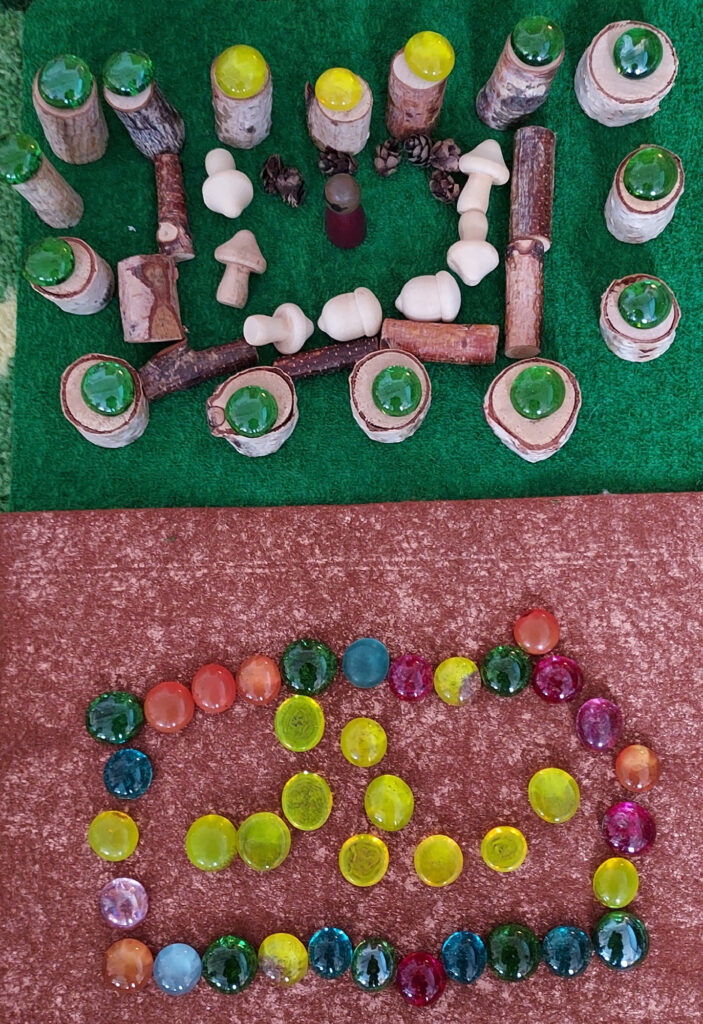
Taking inspiration from books like Susan Harris MacKay’s Story Workshop (2021) and Angela Stockman’s The Gift of Playful Learning (2015), and after a lot of brainstorming with the fantastic Julie Johnson (www.raisingreadersandwriters.com), I was ready to launch my new and improved multimodal writing workshop! Here, students would use loose parts—like the ones pictured throughout this article—and art to tell their stories in new ways and strengthen their print writing skills. Since making this change three years ago, I have been thrilled to see how students bring more of themselves into their writing and embrace the risks, challenges, and joys of writing. This article will introduce some guidelines for setting up a multimodal writing unit, including examples from my classroom.
1. Plan Routines and Materials
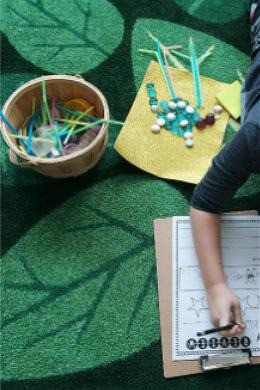
In planning for a multimodal writing unit, start by thinking about what your writing time and space should look, feel, and sound like on an ideal day. Consider what routines currently work well for your students, and which ones could be updated or replaced. For example, I personally still love the workshop model where each day starts with a mini-lesson, ends with a share, and has an uninterrupted chunk of time for writing in between; I find that it allows me to balance student agency with the requirements of my school’s writing program. So, I kept the framework the same but updated the tools I would use to model stories in mini-lessons, made new materials available for student use during independent writing time, and encouraged writers to try out new formats when sharing their stories.
After identifying what you want to refresh, plan for how you will introduce these new materials and routines to your students and work alongside your writers to find out what works well and what might need more tweaking. This is their time and space as much as yours.
If you are looking for ideas on what this refresh might look like, Angela Stockman’s Hacking the Writing Workshop (2018) has wonderful tips and tricks to help bring your vision to life in a sustainable way.
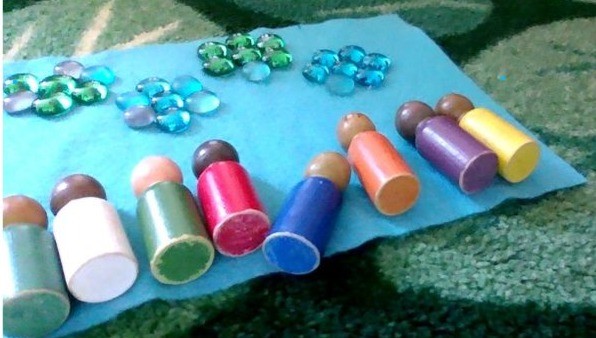
In my writing workshop, my class works through what Angela Stockman calls a “multimodal process” in her book Make Writing (2016). Writers build and record stories with loose parts or in play centers before they begin drafting print versions. As they draft, edit, and revise their stories, additional tools and materials are made available. Some of these materials stay out year-round, and others change with each unit or based on student interest. What I love about loose parts is how simple objects like glass beads, bottle caps, and clothespins can be transformed into anything my first graders can imagine! I also love how easy they are to collect. Here are some loose parts and other materials I like to keep in the classroom during writing workshop:
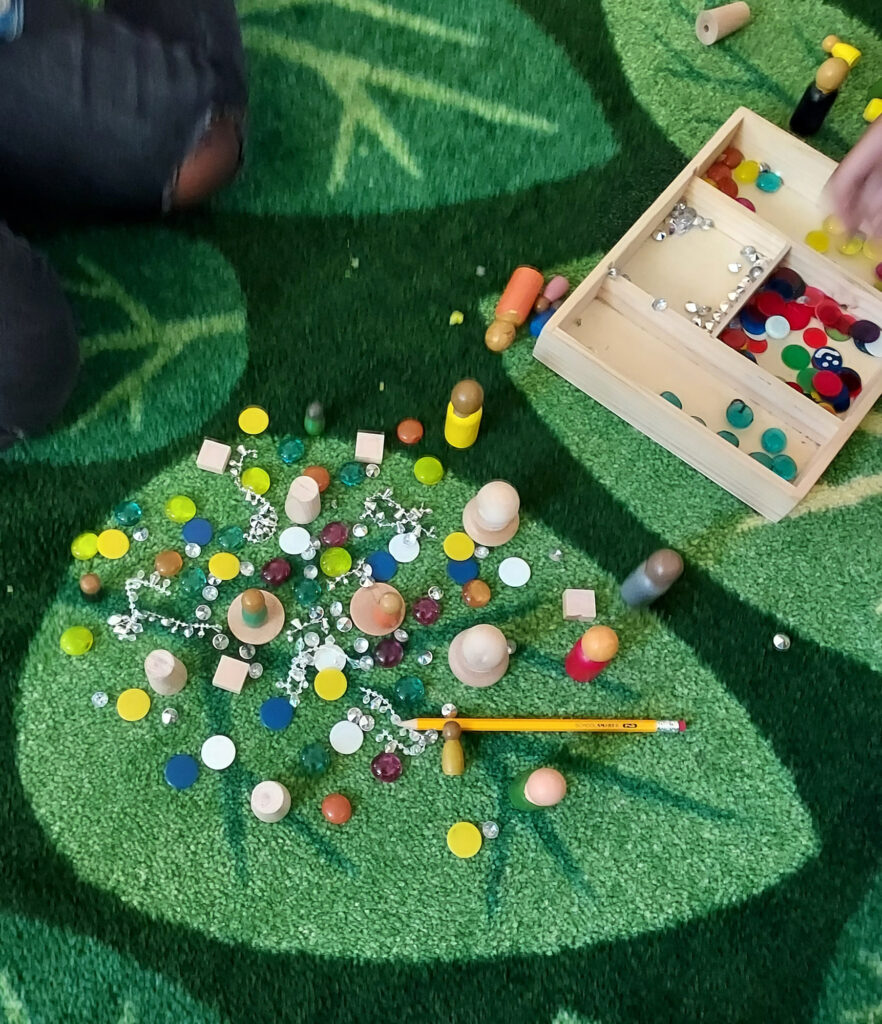
- Glass gems
- Wood pieces
- Wooden dolls
- Wooden blocks
- Bottle caps
- Metal washers
- Allen keys
- A play kitchen
- Markers
- Colored pencils
- Watercolor paints
- Highlighters
- Stickers
- Popsicle sticks
- Felt sheets in different colors and textures
- Lined and blank paper
- Comic templates
- Graphic organizers
- Premade booklets
- Notepads
- Sticky notes
- Notecards
2. Plan Instructional Goals and Assessment
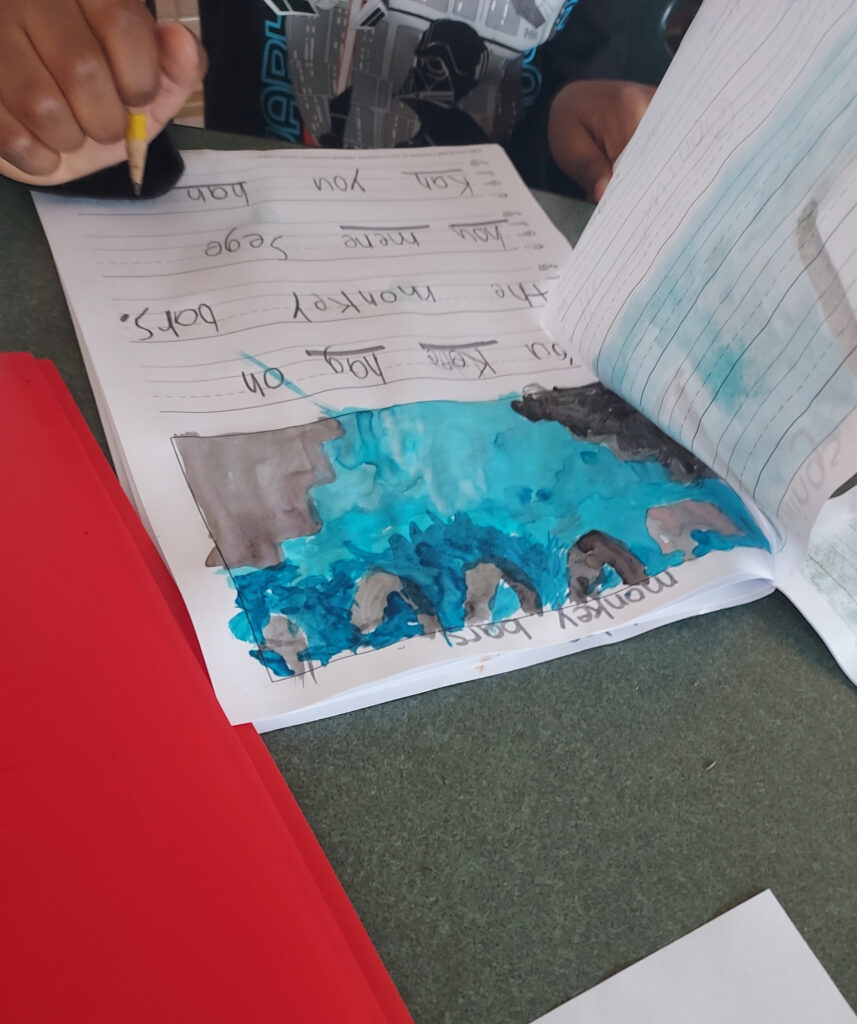
After you have an idea of what routines you will have in place to support your writers, it can be helpful to think about what you will teach in genres. For each genre study, I plan for instructional goals by asking, “What conventions and craft moves should be introduced, practiced, and/or mastered by the end of the unit? How much time will students need to learn and try these skills out?”
If your school is like mine, from there, it will be time to align these goals to a provided curriculum. You can turn existing lessons into multimodal ones by keeping the same language and objectives but changing or adding new tools for students to use in their writing.
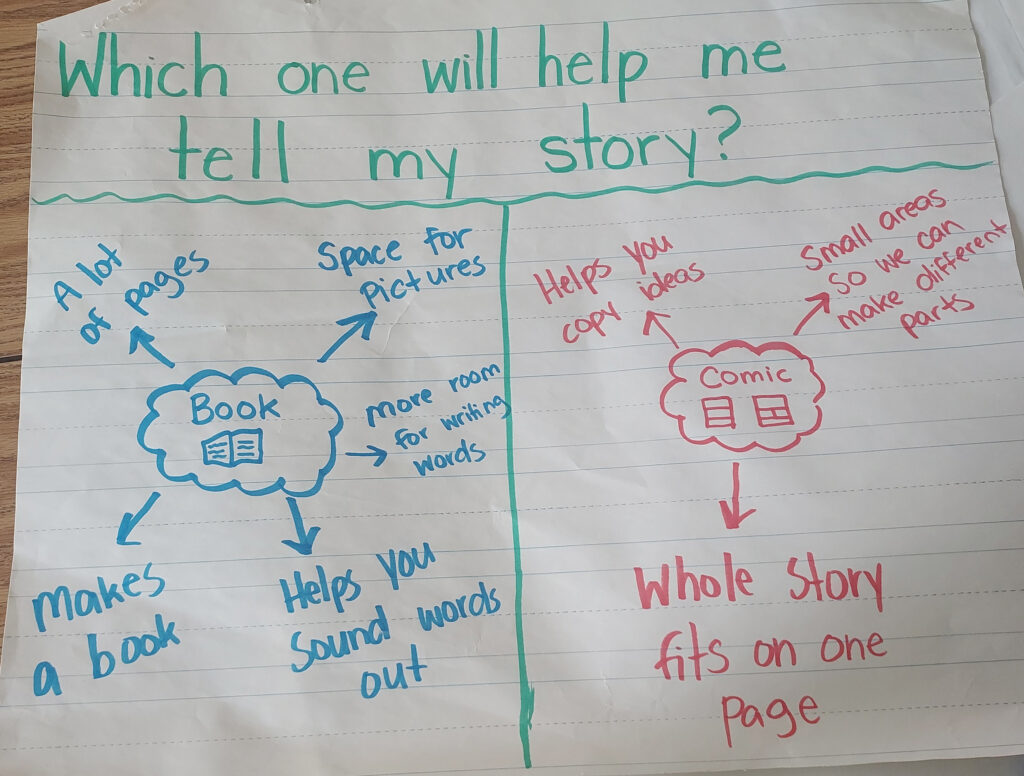
For example, in past years I have used a given lesson about using speech bubbles in illustrations to introduce students to using and making comics in their writing. I have also refashioned a provided unit on how-to writing so that students planned, scripted, and created videos as a final product.
You also might find yourself planning a multimodal unit from scratch. Picking a few key craft moves and at least one writing convention to focus on can help you identify what kinds of lessons you’ll want to plan, and what kinds of materials you might make available to your writers. You could also plan for a different type of final product, such as having students create puppet shows or songs.
If you are interested in learning more about how to plan for projects like these, I highly recommend Angela Stockman’s The Writing Workshop Teacher’s Guide to Multimodal Composition (2023).
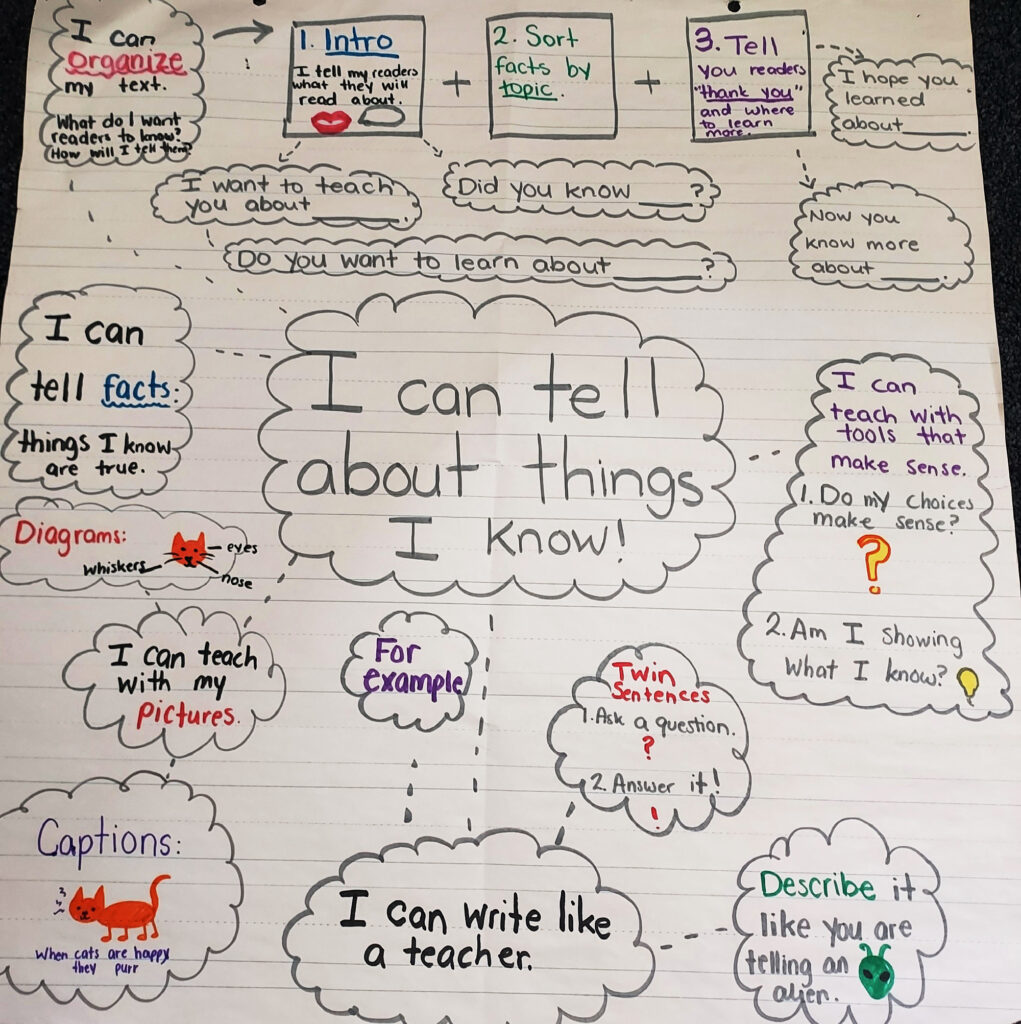
There are a few elements I like to have in every multimodal writing unit I plan. First is a visual (usually an anchor chart) that showcases the skills and objectives for the unit. I add onto it during direct instruction and model how students can use it as a reference in their own writing.
Next is a guided “practice text” that students complete at the beginning of a unit. This reminds students of the writing process and ensures they explicitly practice the craft moves and conventions that will be elaborated on throughout the unit.
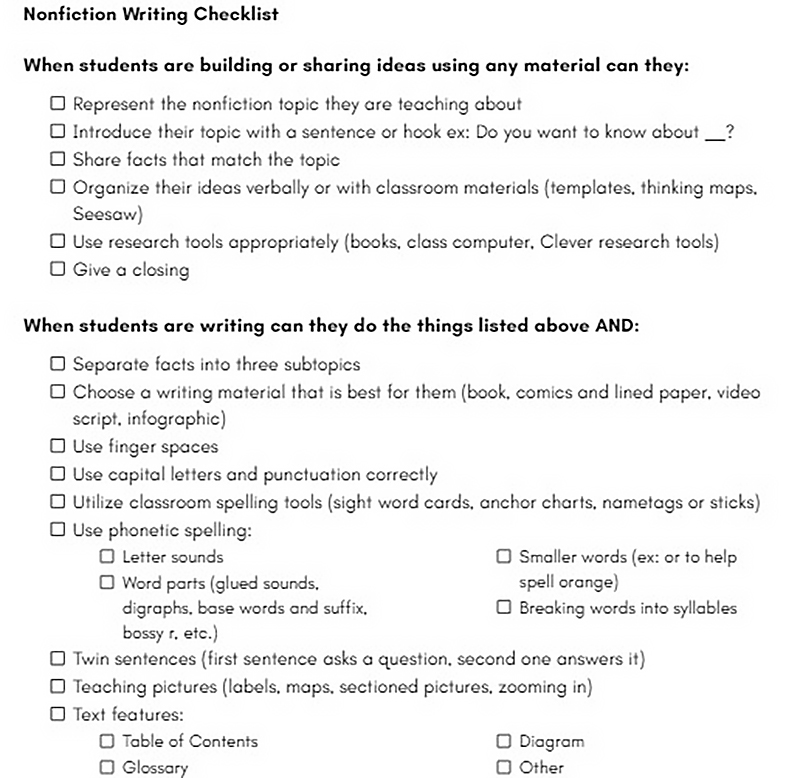
Last is a checklist of writing moves that should be present in a students’ writing piece that I, or any adult in the room, can use to see how writers are applying what they have learned in their stories.
3. Plan Ongoing Support
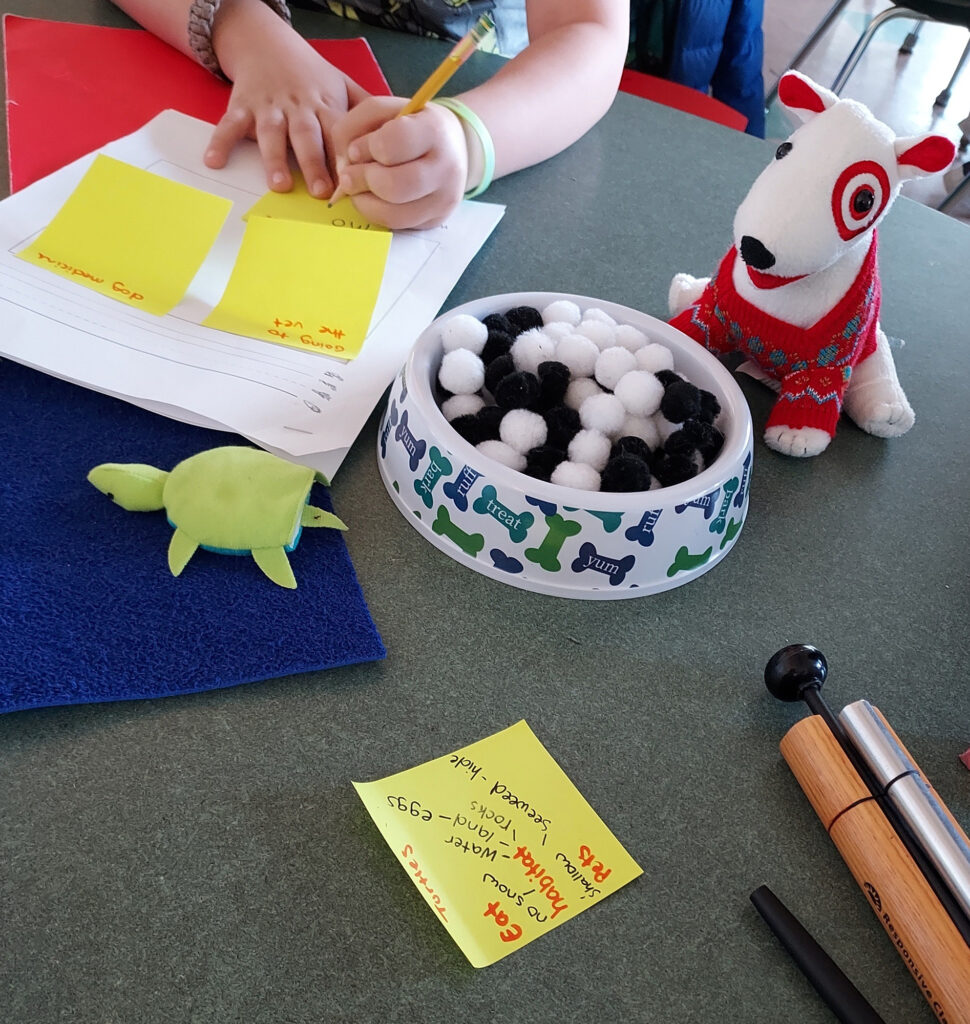
To me, one of the biggest benefits to multimodal writing is how it allows me to meet student needs equitably. This is because giving writers more control over their writing and allowing them to first explore their stories through play invites students into a state of “relaxed alertness,” where challenge is high but risk is low, all students can rework stories before bringing them to print, and conferencing is tailored to meet individual needs.
When you are planning for how you will support your writers each day, think first about things that they can use without your help. Is there something in the room that students can reference if they want to be reminded of a strategy or craft move they have learned? Anchor charts, picture rubrics, and graphic organizers can all be useful reference tools.
Is there a system in place for how students will move through the writing process? Choice boards or visual charts can help cut down on questions like, “What do I do next?”
Are there tools available to assist in writing words independently? Word rings for high frequency words, co-created themed word rings, alphabet charts, and phonics reference charts are some easy-to-find or -make tools that can be used to empower students to try tricky words on their own before asking for help.
After deciding what tools will be made available to everyone, you can plan how you will support students one-on-one or in small groups. Determine how and how often you will check in with writers as they tell their stories.
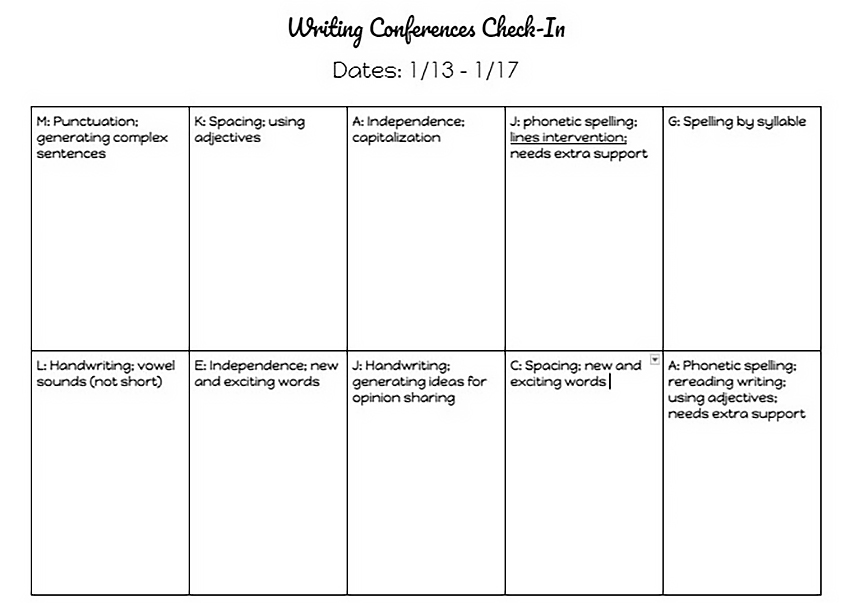
In my classroom, I use a simple note sheet each week to keep track of my observations and student conferences. I also use this sheet to make sure that I am conferring with each student at least once per writing piece. It has a space for each writer’s name and current goals, and a large blank box underneath for handwritten notes. With these tools, I am able to provide “just-in-time” support for my writers and work with them at different stages of the writing process.
4. Plan for Celebration and Collaboration
Multimodal writing is an inherently collaborative process. Sometimes this looks like writing a story with a partner, other times it looks like writers talking about their stories while they build and write, bouncing ideas off each other as they go. When deciding how writers will share ideas and stories in your classroom, you can start by planning opportunities for students to connect their works to audiences.
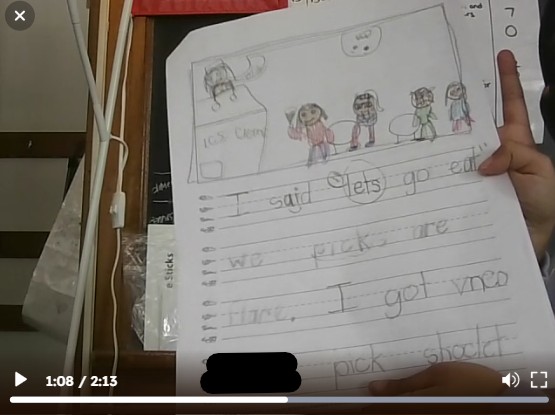
Making time for daily sharing can be challenging in a tight schedule. One alternative to a daily share time could be having students share their finished pieces during independent writing time, either with other students or with their families using digital tools like Seesaw.
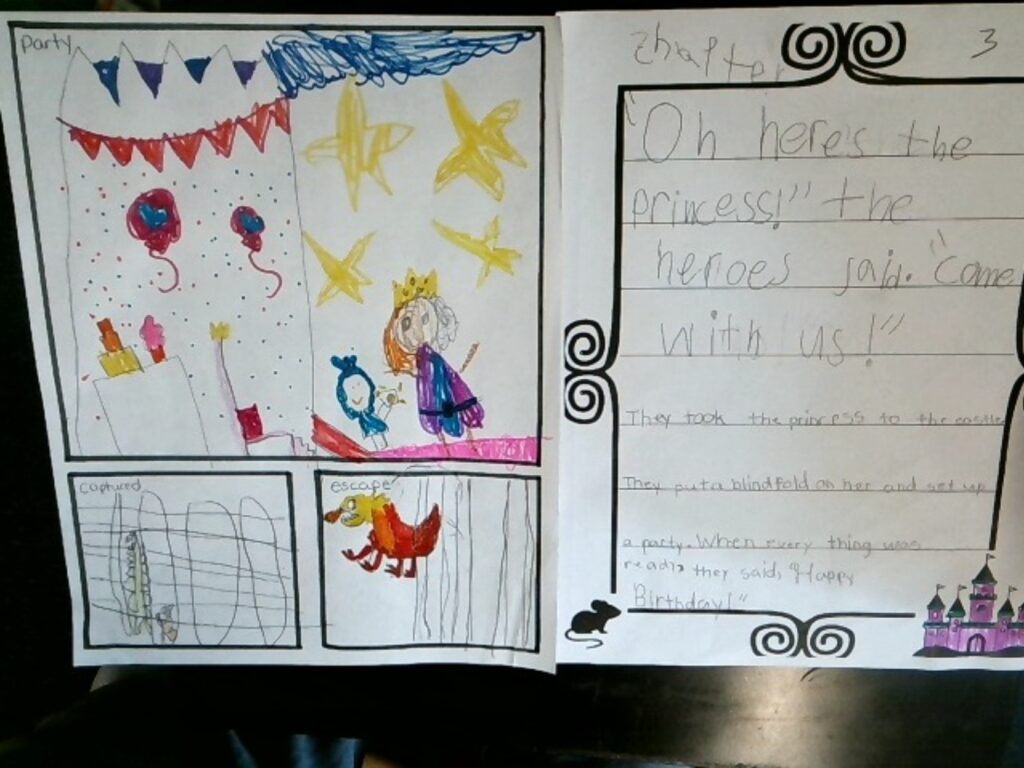
You can also plan for celebration and collaboration in your multimodal writing units by asking, “What are some ways students might write together?” Student-led collaboration can be nurtured and facilitated by introducing tools that naturally invite partner or group work, highlighting great partner work as part of a mini-lesson or share time, and simply by saying, “Yes!” when students ask if they can work together, and supporting them along the way.
Another way you might encourage collaboration is to plan for teacher-guided, whole-group writing projects. These projects do not have to be time intensive to spark a new wave of ideas from your writers, and they can be an efficient way to have students try out something brand new! For example, my class this year was very interested in reading fairy tales, so we spent a few days working as a class to write one together.
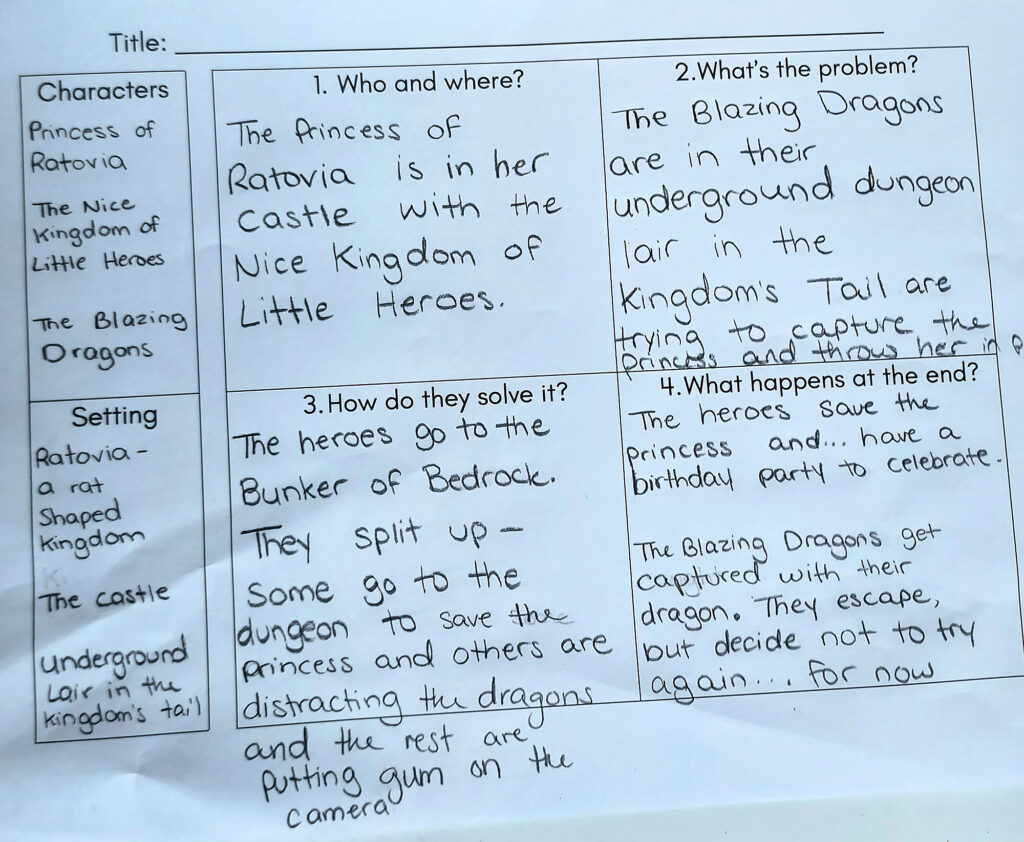
Celebration and collaboration can also take the form of occasional shares with buddies from another class or grade, or for special one-time culminating events that celebrate the work your writers have done over the course of a unit. These experiences can be a great way to embolden writers to share their work with an audience outside of their classmates and families and to make a memory that will last a lifetime.
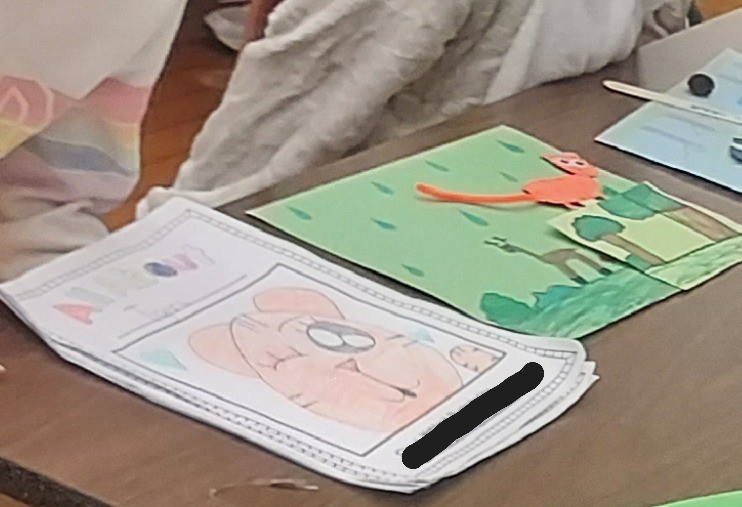
For example, the first graders at my school worked together to put on a “one-day zoo” for the school, where they could share nonfiction texts they made about different animals. Another time, after working in groups to write a sing-along book about the things they loved about our school, the class visited each kindergarten room to perform the book aloud.
When I first made these changes three years ago, I was filled with questions and doubts. What if my students just want to play and never want to write? What if I do it wrong? What if my principal and teammates think I’m crazy?
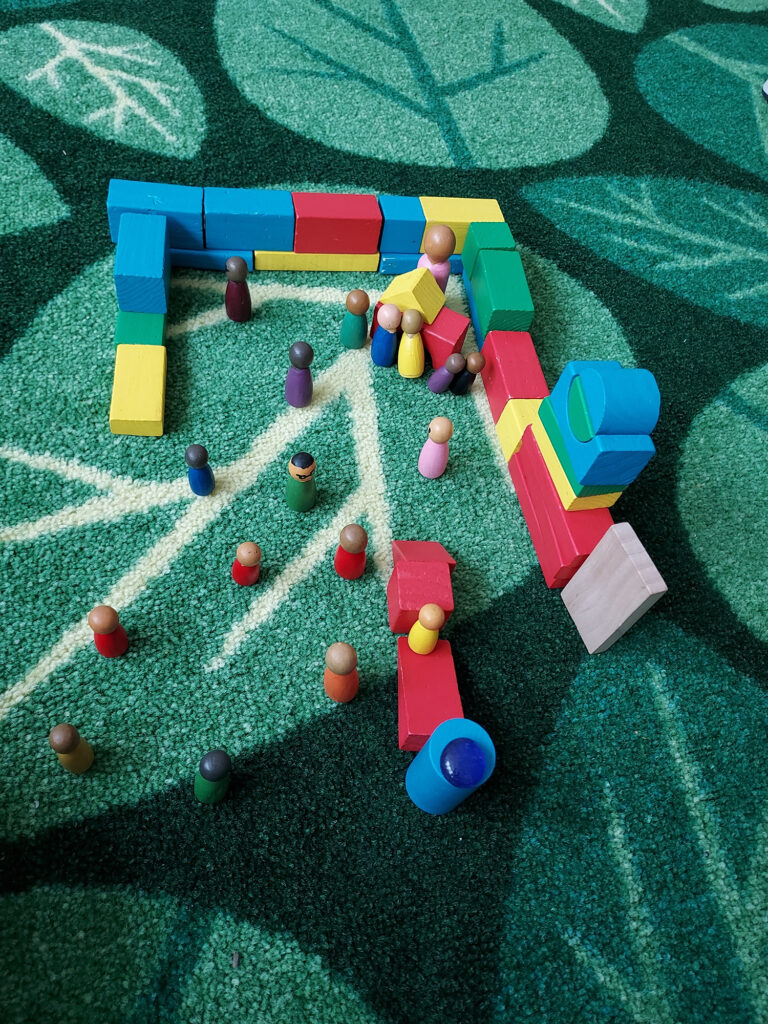
To me, these doubts subsided when I thought about what could go right instead. I know that multimodal writing allows me to meet student needs equitably and gives students more control over their writing. More than that, I know from my writers that these changes have fostered the love of writing that I have long hoped to capture. There is nothing quite like watching a shy student smile as he reads his new sing-along book to the class, or conferencing with a group of excited friends as they work out how to write a chapter or comic book about an imaginary trip to the beach, or listening to a first draft recording of an opinion piece about all the reasons why writing is the best part of the school day.
The more I have learned about multimodal writing over the past few years, the more I can confidently say that there is no wrong way to do it! I hope the guidelines listed here can help you find something to try out in your classroom.
References
MacKay, S. H., (2021). Story workshop: New possibilities for young writers. Heinemann.
Stockman, A. (2016). Make writing: 5 teaching strategies that turn writer’s workshop into a maker space. Times 10 Publications.
Stockman, A. (2018). Hacking the writing workshop: Redesign with making in mind. Times 10 Publications.
Stockman, A. (2023). The writing workshop teacher’s guide to multimodal composition (K–5). Routledge.
Thompson, A., & Bynoe, K. N. (2023). The gift of playful learning: A Guide for educators. Shell Educational Publishing.


