
Introduction
Growing up on the beautiful island of Guam, diversity was not just a concept, it was my everyday life. I am both Chamorro and African American, and while I was fully immersed in Chamorro culture, my outward appearance often led people to assume that I was not local or Chamorro. As a child, this created moments of confusion and struggle as I tried to understand where I belonged. Those experiences deeply shaped who I am today and strengthened my belief that every person deserves to feel seen, valued, and included.
Today, I teach at a school located on a military base, where diversity is part of our daily experience. Many of our students have lived in multiple states and countries before arriving at our school, bringing with them unique cultures, languages, and perspectives. I teach in a second-grade general education classroom, where multilingualism is a natural and valued part of our learning community. In my six years at this school, I have had the privilege of teaching bilingual and even trilingual students who speak English alongside Spanish, Filipino, Japanese, Polish, German, and Italian. This dynamic environment makes it even more important to intentionally create spaces where every child feels recognized and valued for who they are and where they come from.
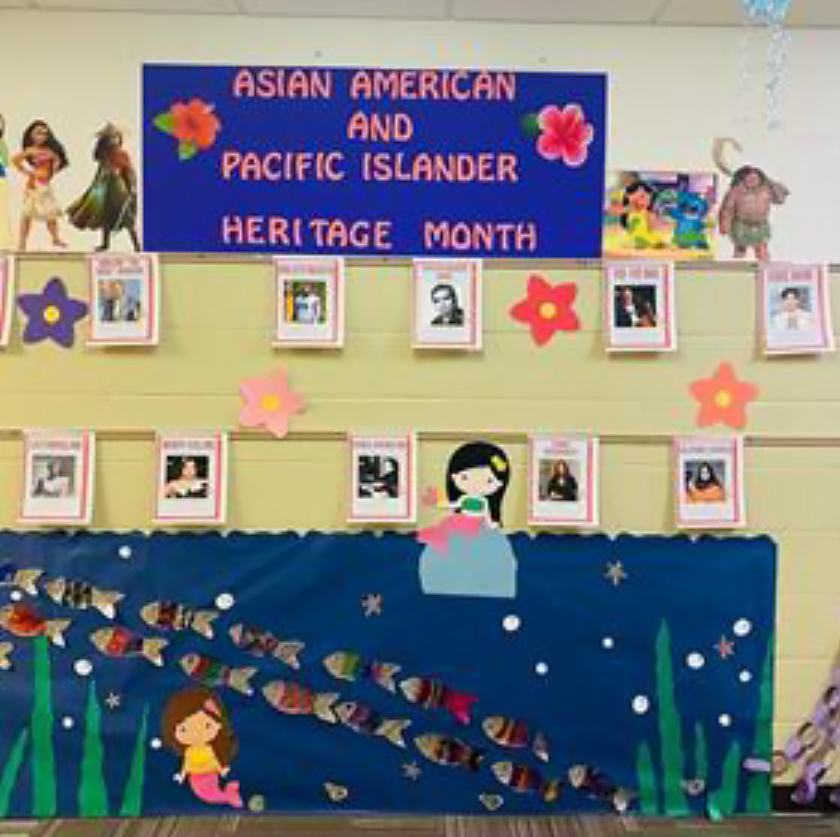
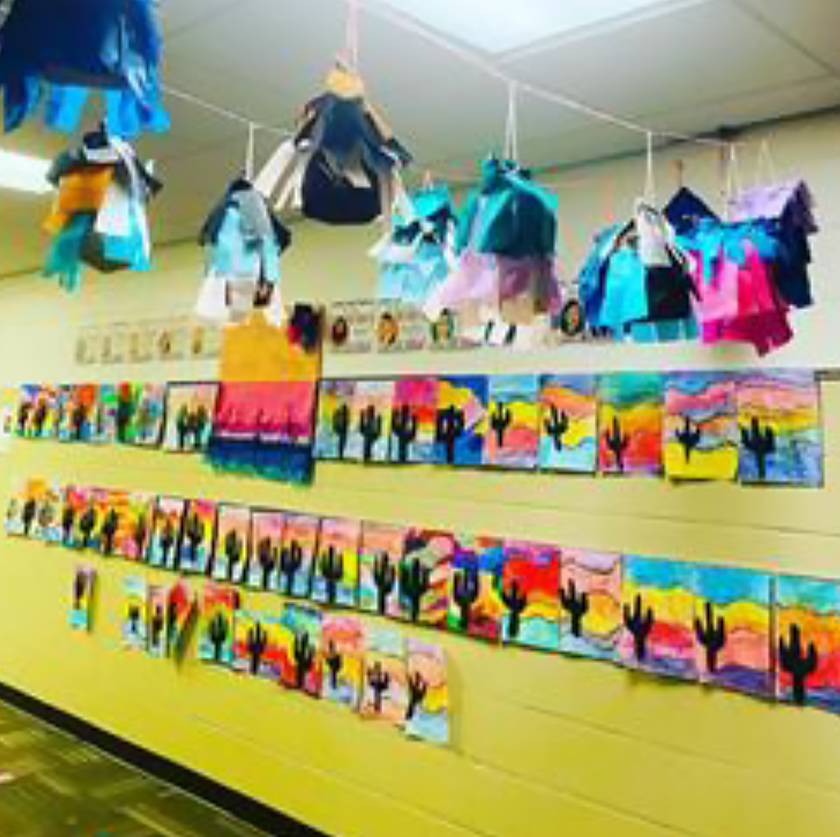
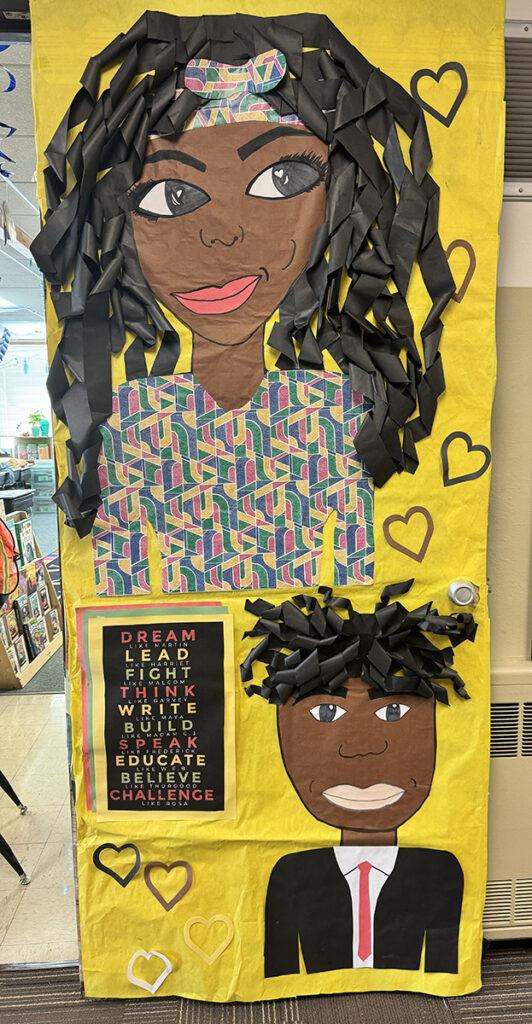
Because of my own experiences growing up, celebrating diversity has always been a priority for me as an educator. I want every student who enters not just my classroom, but our school, to feel proud of their identity. One way I support this is through monthly cultural displays in the hallways highlighting celebrations such as Hispanic Heritage Month and Asian American and Pacific Islander Heritage Month. Seeing students pause in the hallway to read about influential figures, ask questions, and make connections to their own lives is incredibly meaningful.
This photo essay highlights the intentionality I bring to my classroom to ensure that diversity and multilingualism are not separate topics, but a natural and integrated part of daily learning. Through books, discussions, cultural exploration, and inclusive practices, my goal is to create a classroom where every student feels represented, respected, and inspired to learn about the world and one another.
Daily Routines as Acts of Care: Starting the Day with Language and Connection
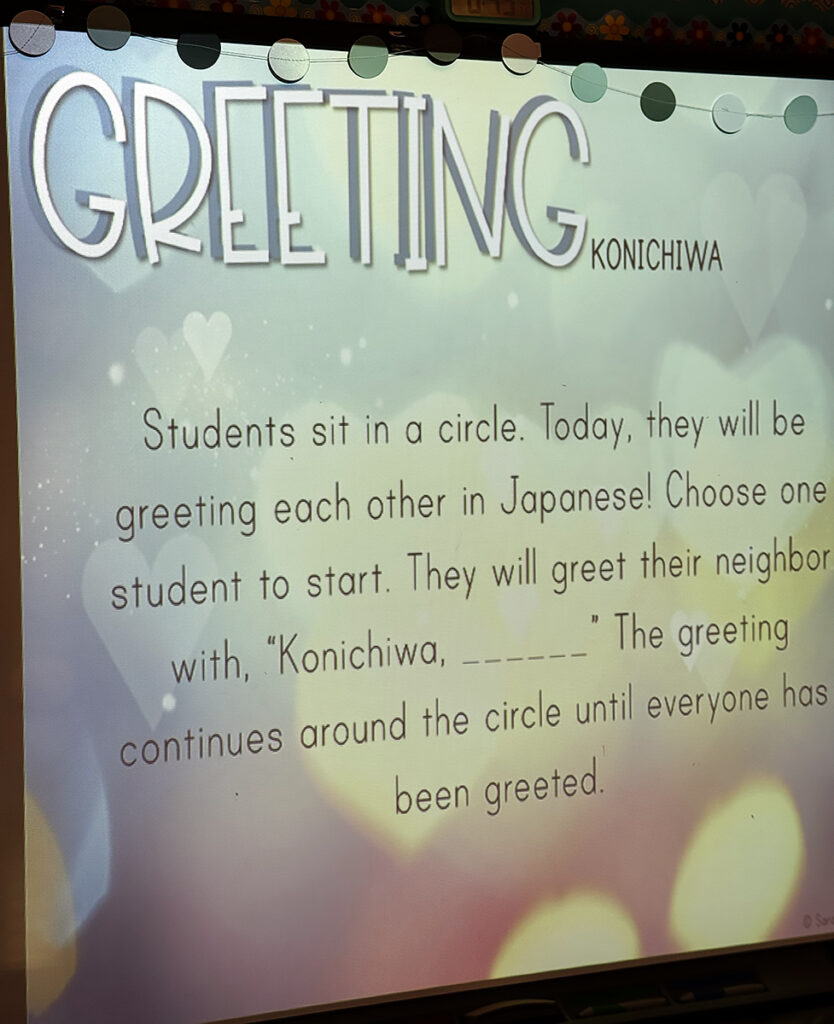
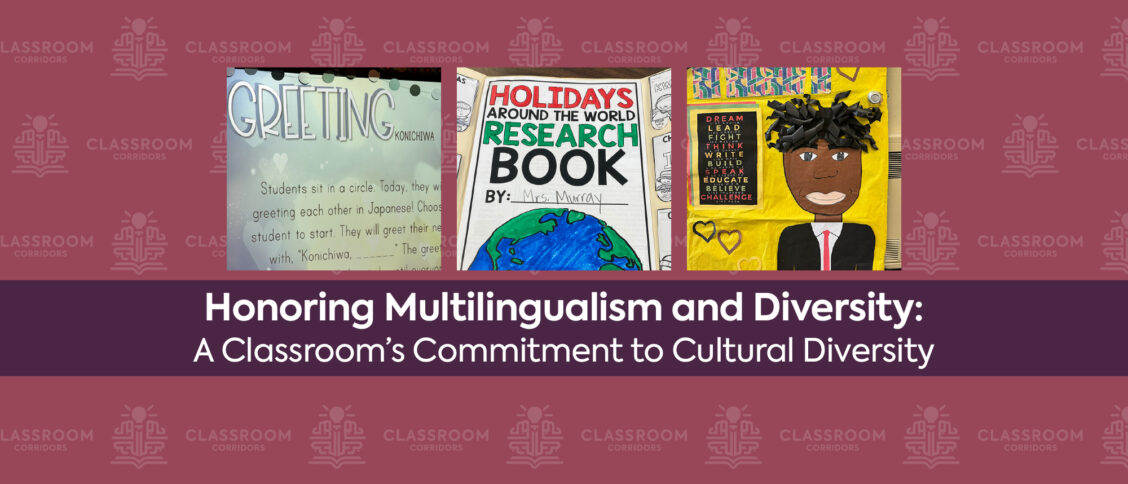
Morning Meeting is one of the most important parts of our classroom routine. It gives students a chance to connect, build community, and start the day feeling seen and valued. One of our favorite parts of Morning Meeting is our greeting slides. Each day, students read the slide and greet one another, often practicing how to say “good morning” in another language.
The Morning Meeting templates came with some preselected languages, but I do edit and choose the languages for our morning greetings based on the linguistic backgrounds of the students currently in our classroom. I also include languages spoken in countries where members of our school community have lived or been stationed, making each greeting feel personal and connected to our shared experiences.
The most special moments come when the greeting reflects a language spoken by one of our students. Their smiles say it all as they hear classmates greet them in their native language. These moments remind us that language is not just something we learn, it is something we share.
Exploring Multilingual Learning through Holidays around the World
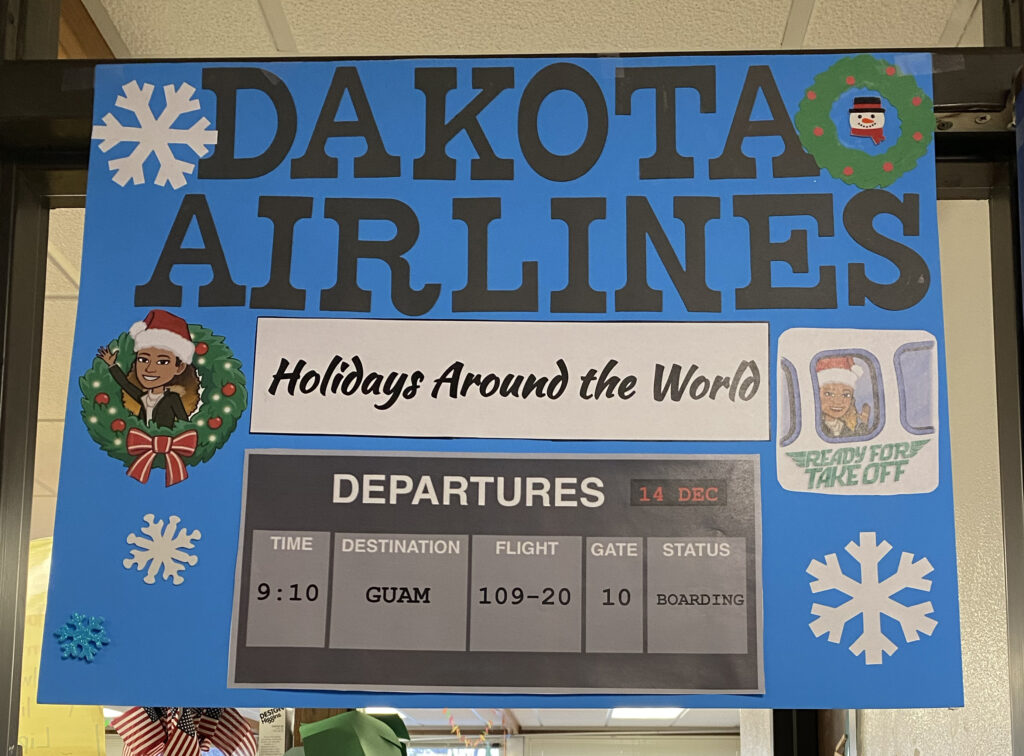
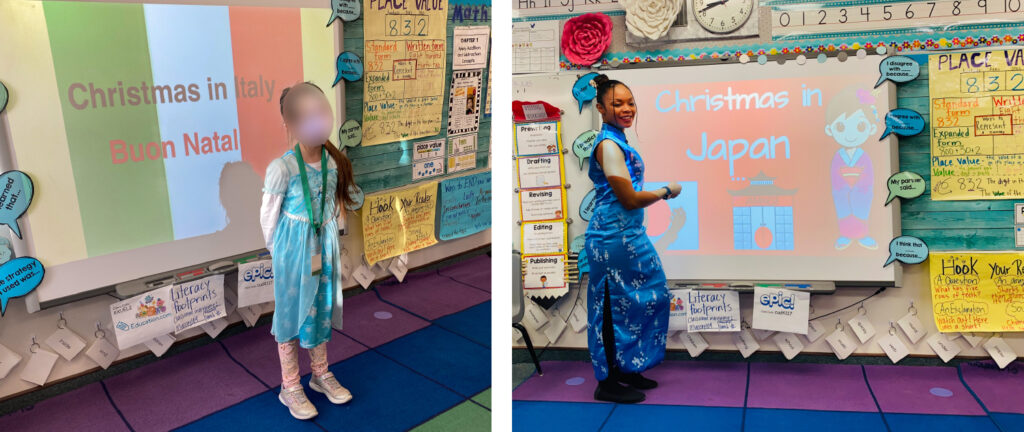
Each December, our classroom transforms into an airport terminal as we begin our Holidays around the World unit, but the countries we “visit” are chosen with purpose rather than novelty. I select destinations based on our students’ linguistic and cultural backgrounds, the places where families have lived or been stationed, and the identities represented in our school community. This intentional approach ensures the unit moves beyond performative celebrations and instead becomes a space where students’ lived experiences, languages, and family histories shape the learning. As students read destination boards, document their learning in their “luggage,” and listen to classmates or families share firsthand stories, they engage in authentic literacy practices while recognizing the real people and real connections behind each culture we study.
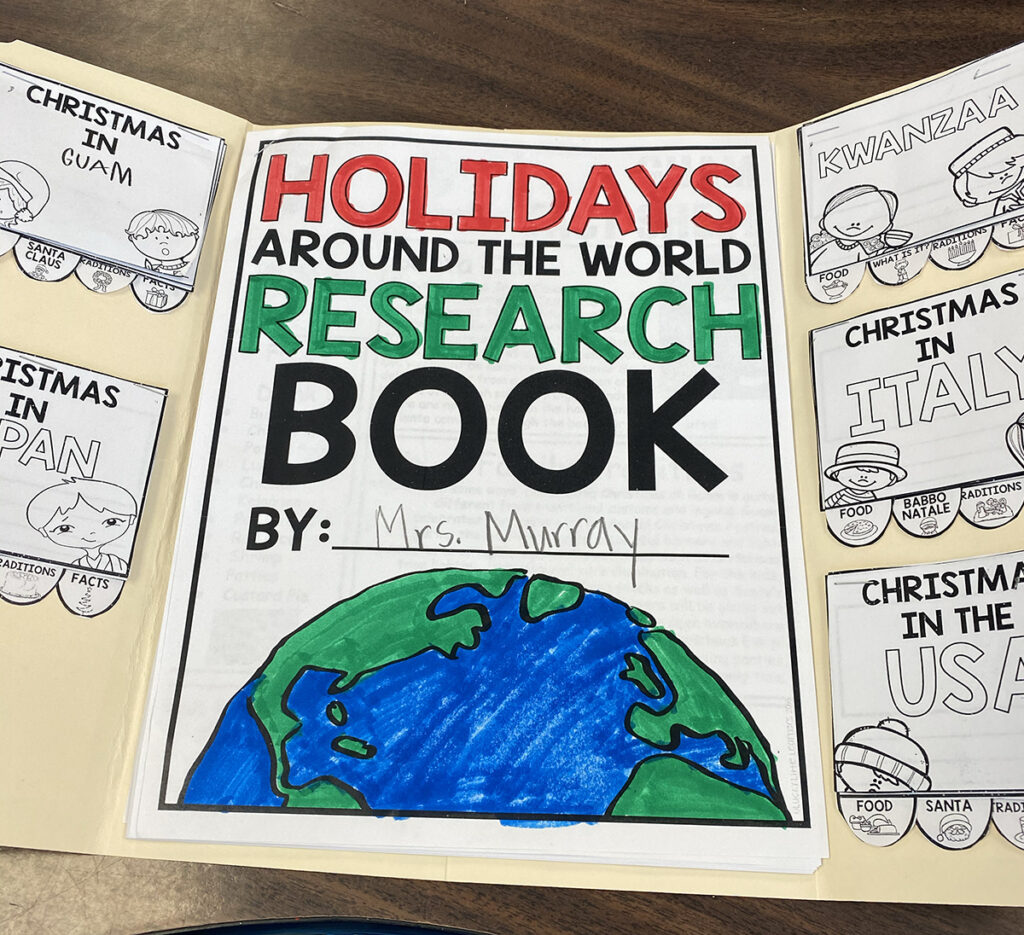
Family involvement plays an important role in bringing these experiences to life. After choosing the countries we will visit, I send home an itinerary and invite families to contribute by providing the snack or treat of the day. Almost every time, families choose to support by sharing something from their home country or a place where they were previously stationed. For example, when we were “traveling” to Japan, a parent offered to bring in a dessert she had learned to make while living there. Sharing food connected the lesson to authentic cultural experiences and sparked meaningful conversations among students. They listened as the parent explained where the recipe came from, practiced saying a few words connected to the culture, and reflected on how traditions can travel with families across the world.
Honoring Culture through Learning from Experts
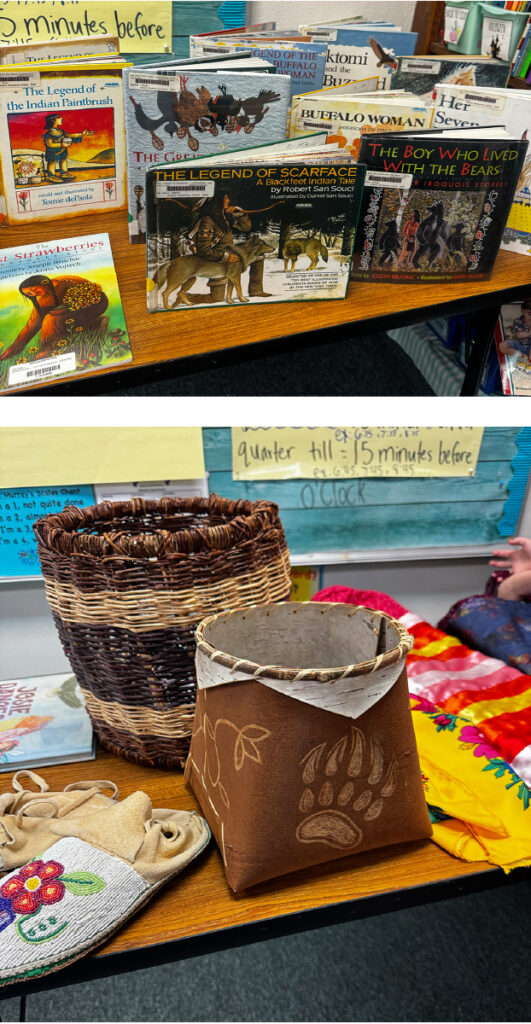
Our classroom sits on Native land. Thus, learning about Indigenous cultures is not a seasonal lesson, it is a responsibility. Through hands‑on inquiry, authentic texts, and community partnerships, students learn to honor the histories and cultures connected to the place we call home.
Our study of Native American culture is grounded in collaboration with experts who can speak accurately and respectfully about the communities whose land we occupy. Because I do not identify as Native American, I intentionally seek guidance from cultural centers and community organizations to ensure students learn from those who hold this knowledge. Our ELA curriculum provides a foundation of informational texts, but we extend this learning by connecting with local experts, such as the Native American Center director at our nearby university, who shares stories, language, and cultural artifacts directly with students. These partnerships help students understand that Native nations are not historical figures in a textbook but vibrant communities with deep histories and ongoing presence in our region.
To continue strengthening this work, teachers can connect with tribal education departments, Native American studies programs at local universities, cultural centers, and Indigenous-led organizations. Many offer school outreach, virtual classroom visits, curated book lists, or opportunities to attend community events. These collaborations ensure that students learn about Native nations with accuracy, respect, and the guidance of those whose knowledge we are responsible for honoring.
Conclusion
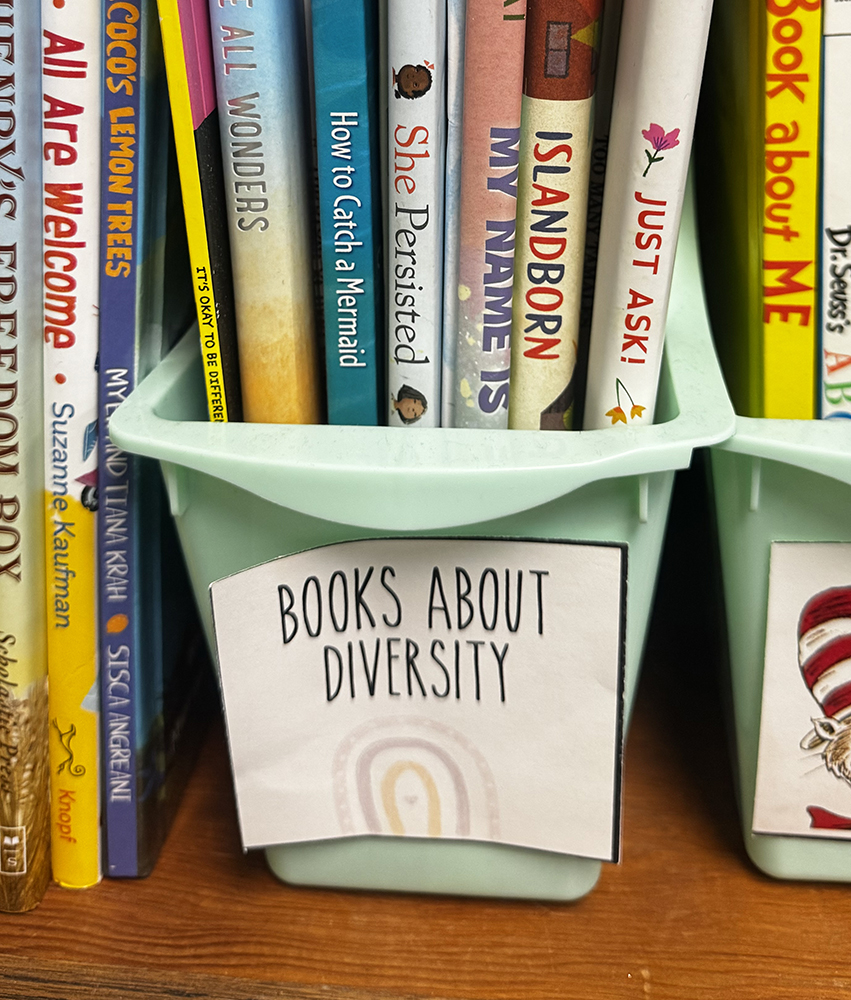
Across each of these classroom moments, whether greeting one another in multiple languages during Morning Meeting, traveling the world through our Holidays around the World unit, or learning about the Native cultures connected to the land around us, students are reminded that language and culture are essential parts of literacy. When multilingual learners see their languages, stories, and experiences valued in the classroom, they are more willing to participate, share, and lead. Centering multilingual learners is not about adding something extra to instruction; it is about recognizing the rich linguistic and cultural knowledge students already bring with them and using it as a foundation for meaningful learning.
Teachers can effectively engage students with multicultural backgrounds when their physiological needs are met, in addition to a sense of belonging (AlAhmad, 2021). Supportive school culture is essential because schools play a significant role in not just teaching state and national standards but in teaching about values, norms, and customs, especially in rural communities (Badgett & Decman, 2019). Establishing equity and encouraging respect for diversity is critical for a globalized teaching community and any educational school system (Lee et al., 2021).
References
AlAhmad, H. (2021). The role of educational communication in promoting a student-centered learning style in multicultural classrooms: A reflective essay on learning and teaching in higher education. International Journal of Research in Education and Science, 7(3), 838–851.
Badgett, K., & Decman, J. (2019). Fostering inclusive culture through partnerships with nonprofits. School Leadership Review, 14(2), Article 2.
Lee, J. H., Ostwald, M. J., Gu, N., & Roberts, M. (2021). Linguistic and cultural perspectives on globalized design education. Journal of Integrated Design & Process Science, 25(1), 1–15.