

Featured Title

The Word Collector
By Peter H. Reynolds
Jerome loves collecting words—long, short, powerful, and poetic. As his collection grows, he discovers the joy of sharing words to connect, inspire, and empower others. The book celebrates language, curiosity, and the beauty of words in everyday life.
Ideas for the Classroom
- Build a culture of word collecting.
- Discuss: What types of words did Jerome collect? Where did he find the words he collected?
- Construct: Build a classroom word wall where students can collect words they find interesting, beautiful, or powerful. Invite students to take ownership and contribute words they discover in books, conversations, or everyday experiences.
- Extend: Encourage students to create personal word walls in their writing journals. These personalized collections become meaningful vocabulary banks that they can draw from during writing time.
- Deeper Learning: Invite students to select one word from their collection that holds special meaning for them. Use that word as a prompt for a short reflection, poem, or mini-essay that explores why the word is powerful to them.
- Extend: Invite students to create an illustration that represents that word and what it means to them. Create a classroom gallery of powerful words.
Additional Titles
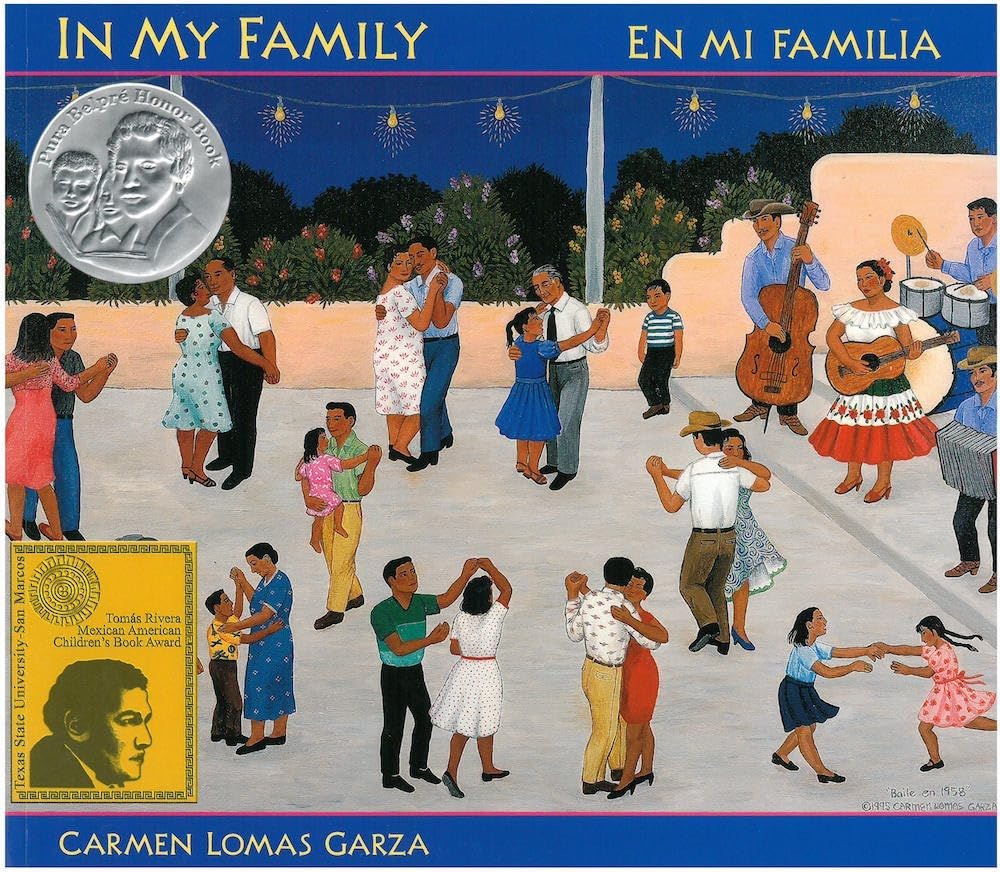
In My Family/En mi familia
Written and Illustrated by Carmen Lomas Garza
In My Family/En mi familia is a bilingual celebration of Mexican American culture, family, and tradition through personal stories and vivid art. The stories in this book could be used to spark discussions on heritage and identity. Students can share their own family memories through illustrations and writing, connecting personal experiences to cultural values while building voice, reflection, and oral language skills.
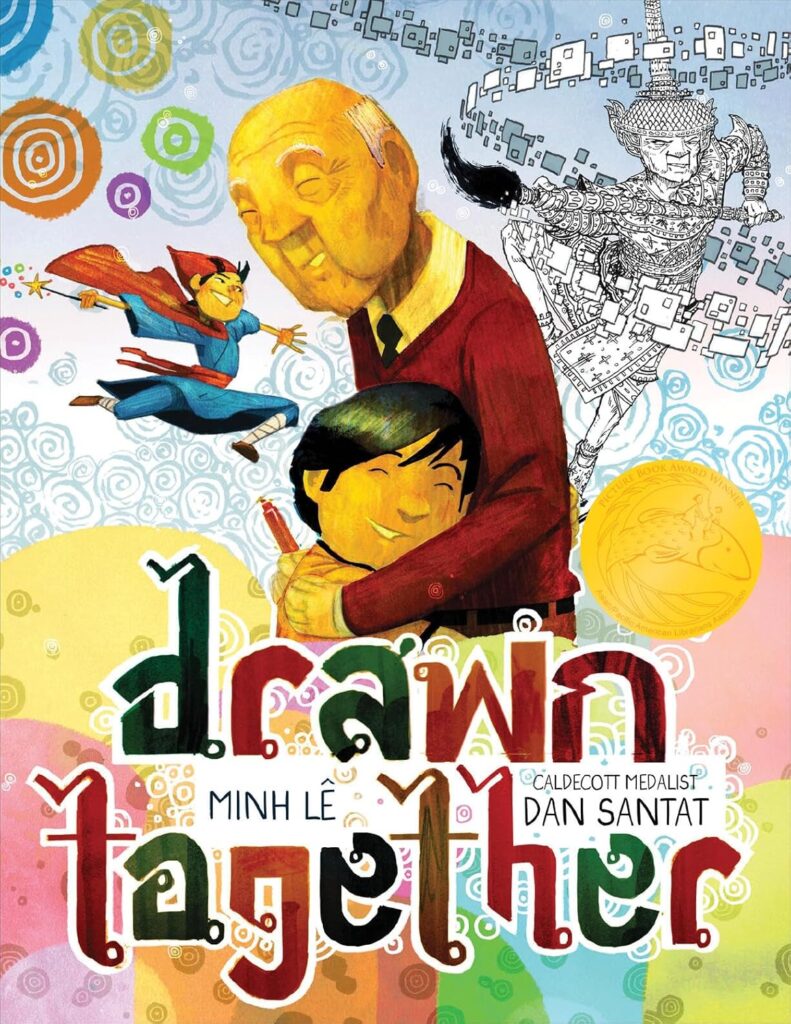
Drawn Together
By Minh Lê, illustrated by Dan Santat
Drawn Together tells the story of a young boy and his grandfather who struggle to connect due to a language barrier. Through a shared love of art, they discover a new way to communicate, building a powerful bond beyond words through imagination, creativity, and mutual understanding. In this story, students learn the magic of storytelling through images and illustrations, which can provide an accessible and engaging entry point for even the most reluctant writers.
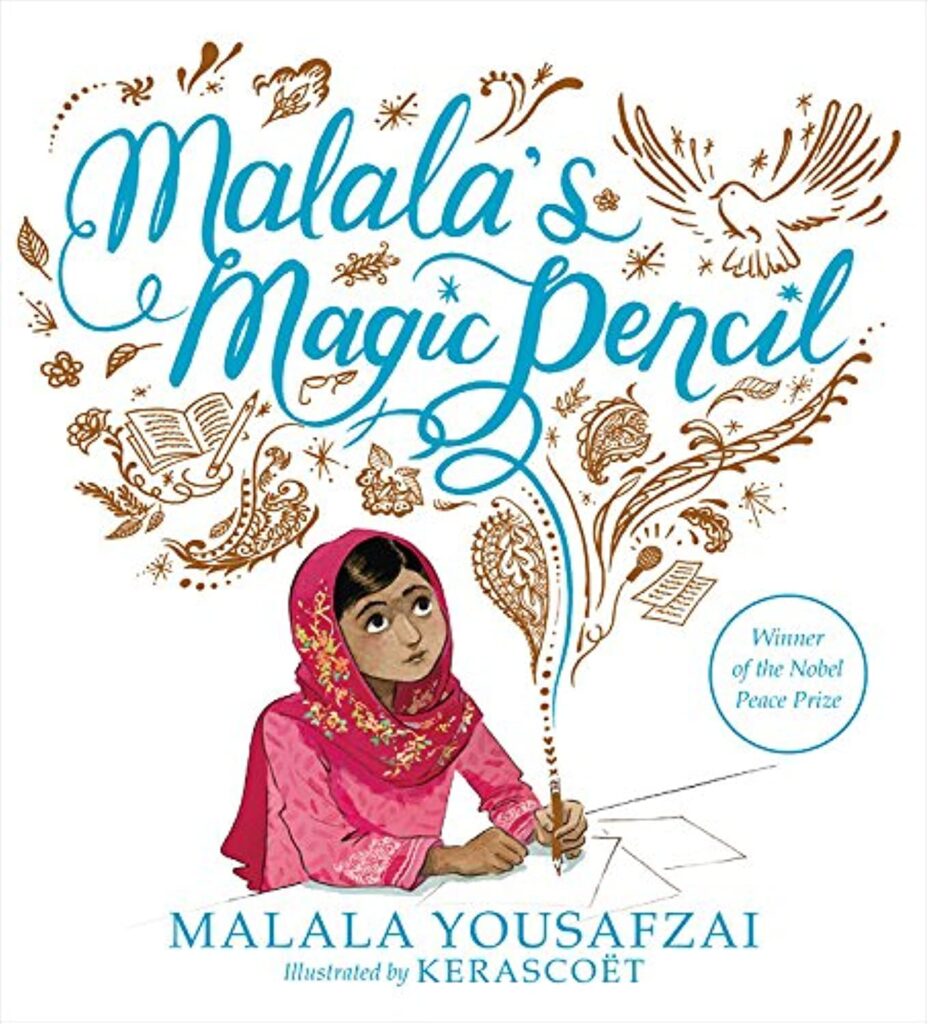
Malala’s Magic Pencil
By Malala Yousafzai
Malala’s Magic Pencil tells the inspiring story of Malala Yousafzai’s childhood wish for a magic pencil to change the world. As she grows, she realizes her voice is her real power, using it to speak out for girls’ education and equality, even in the face of danger and adversity. This book invites students to see themselves as agents of change in their own lives while exploring themes of voice, purpose, and justice.
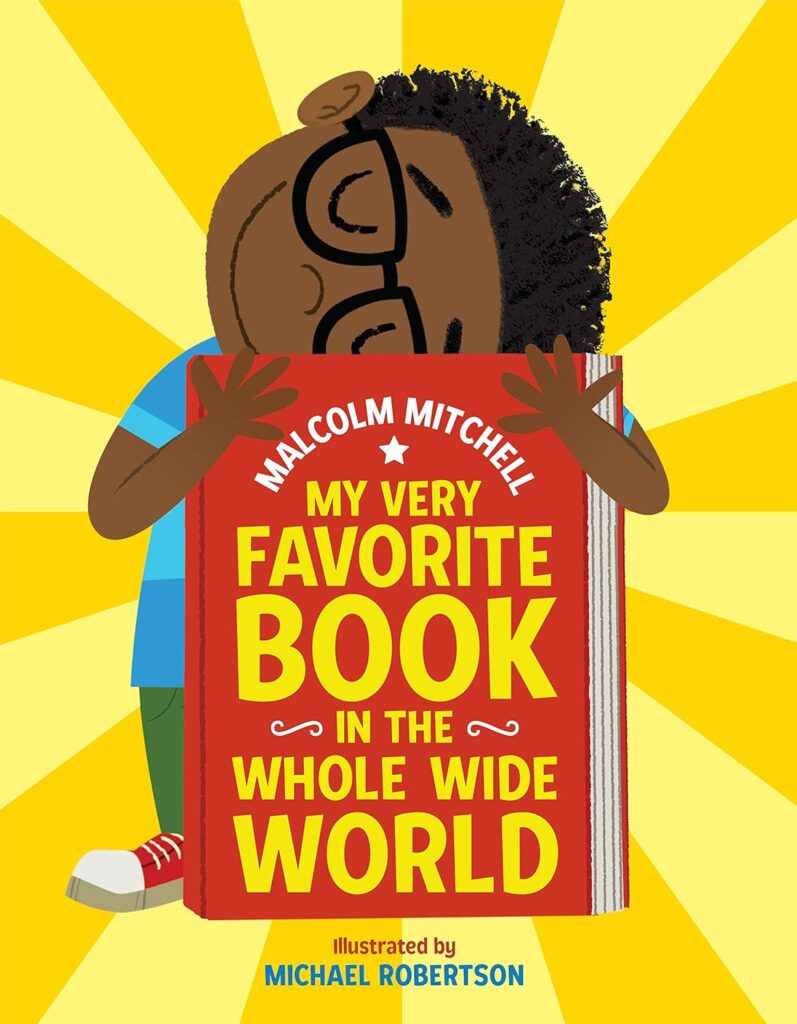
My Very Favorite Book in the Whole Wide World
By Malcolm Mitchell, illustrated by Michael Robertson
Follow the story of Henley, a reluctant reader who discovers the power of writing his own story. This book inspires students to become authors themselves, using story maps, personal narratives, and creative cover designs. By reflecting on challenges and expressing their imaginations, students build writing skills, resilience, and confidence—proving that everyone has a story worth telling.
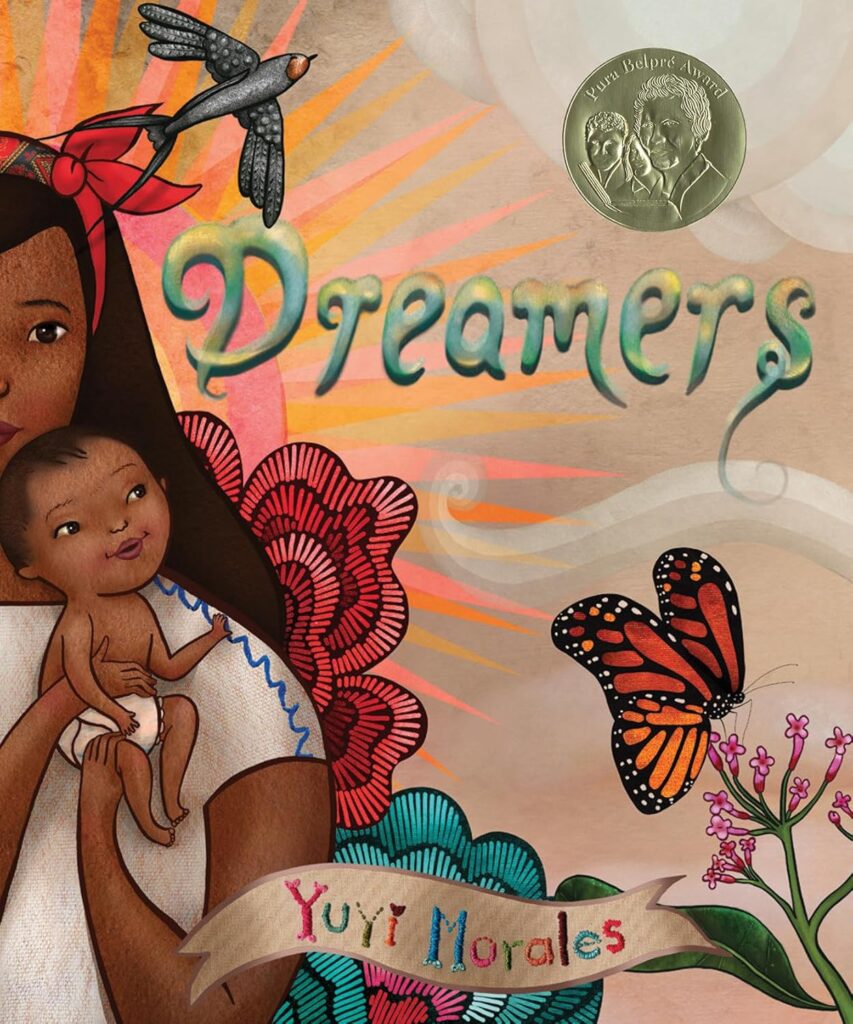
Dreamers
By Yuyi Morales
A mother and child immigrate to a new country, where they discover the wonders of books and libraries. Through their experiences of reading and learning the new language, the mother begins to find her voice and tells her own story. By witnessing the progress of these characters through their journey, young writers can see that stories about personal experiences are powerful and worth sharing.
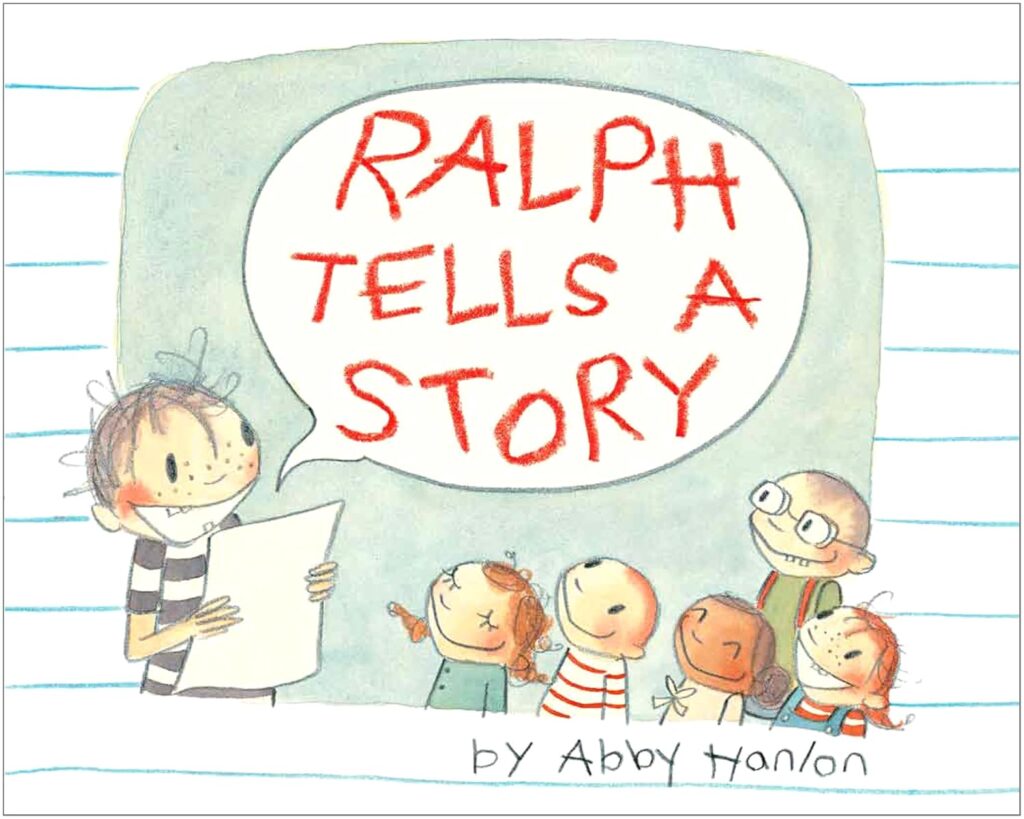
Ralph Tells a Story
By Abby Hanlon
Feeling the pressure from his classmates, Ralph struggles to come up with a story to write during class. Both his teacher and peers encourage him to write about anything, even if it is as simple as an inchworm’s adventure. Throughout the story, Ralph gains confidence as a writer and realizes that everyday moments can inspire creative storytelling.
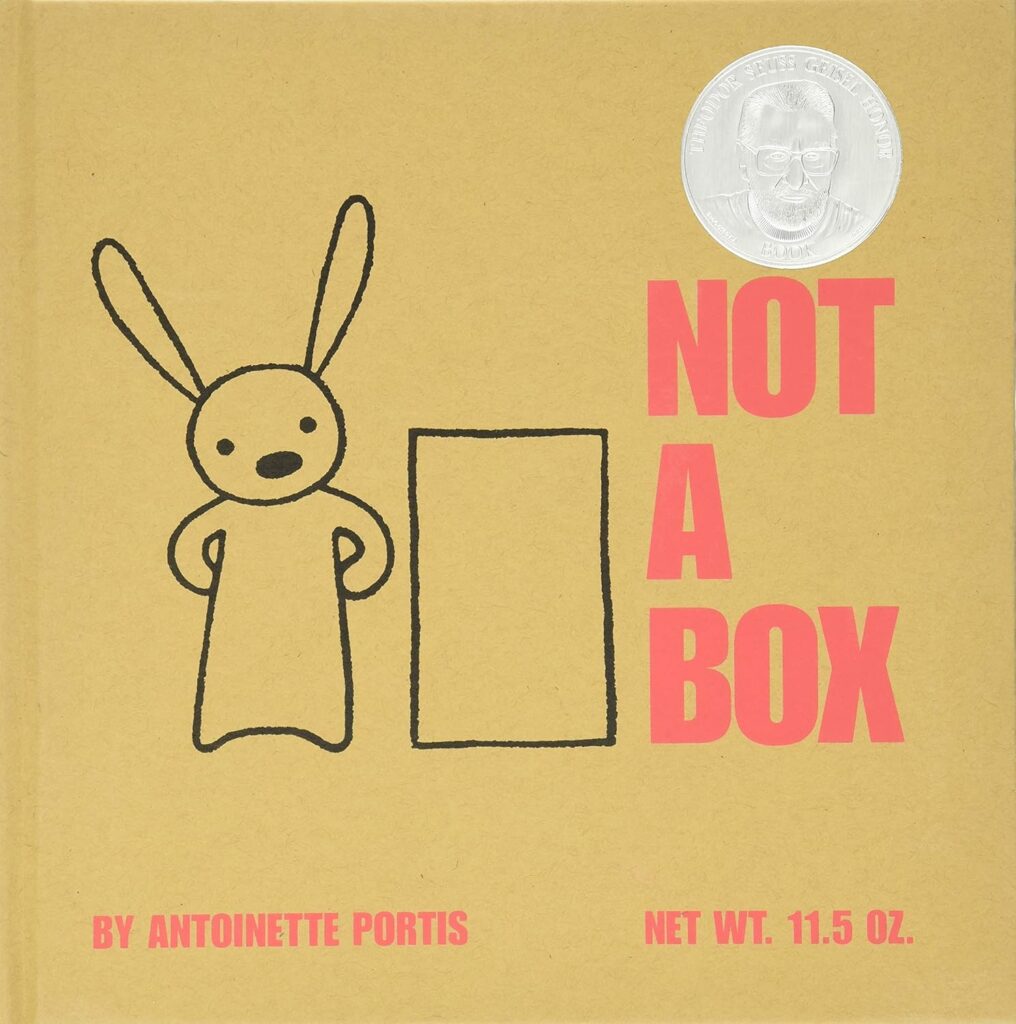
Not a Box
By Antoinette Portis
A curious rabbit transforms an ordinary cardboard box into a wide variety of things, such as a mountain, a rocket ship, and a racecar. The story emphasizes how using your imagination can make simple things into something more exciting.
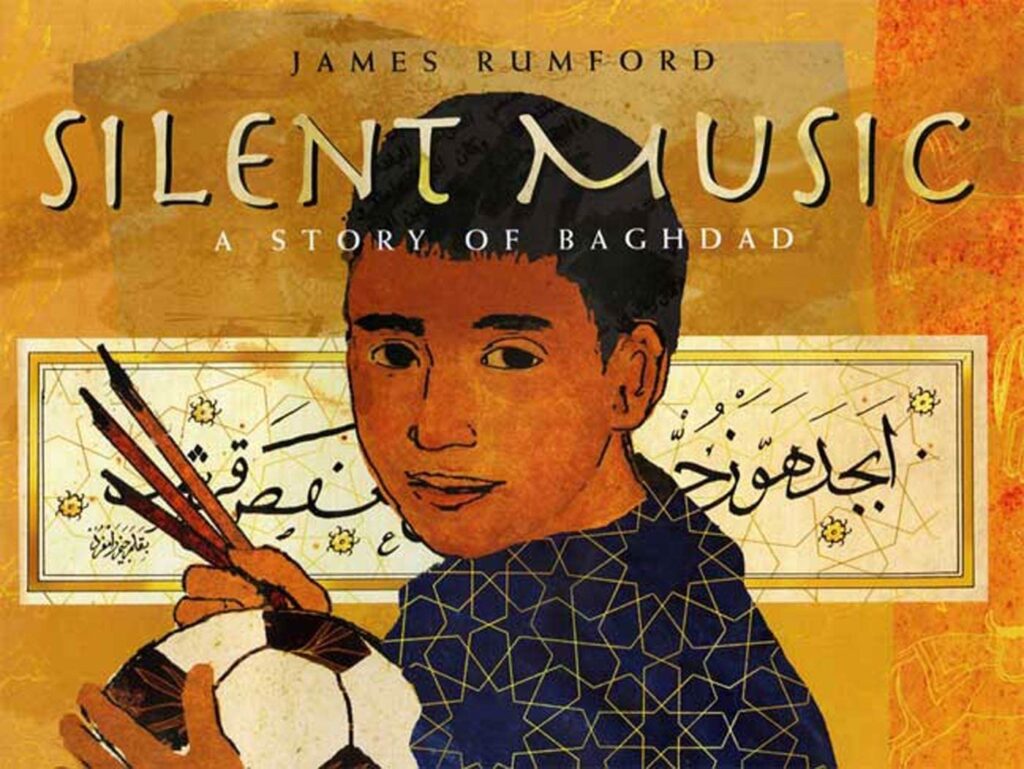
Silent Music: A Story of Baghdad
By James Rumford
A boy named Ali finds comfort in practicing Arabic calligraphy during the chaos of war. This story is inspired by a legendary calligrapher who uses writing as a peaceful and personal form of expression. Students can take away from this story that writing can be a quiet act of resilience, escape, and self-reflection.
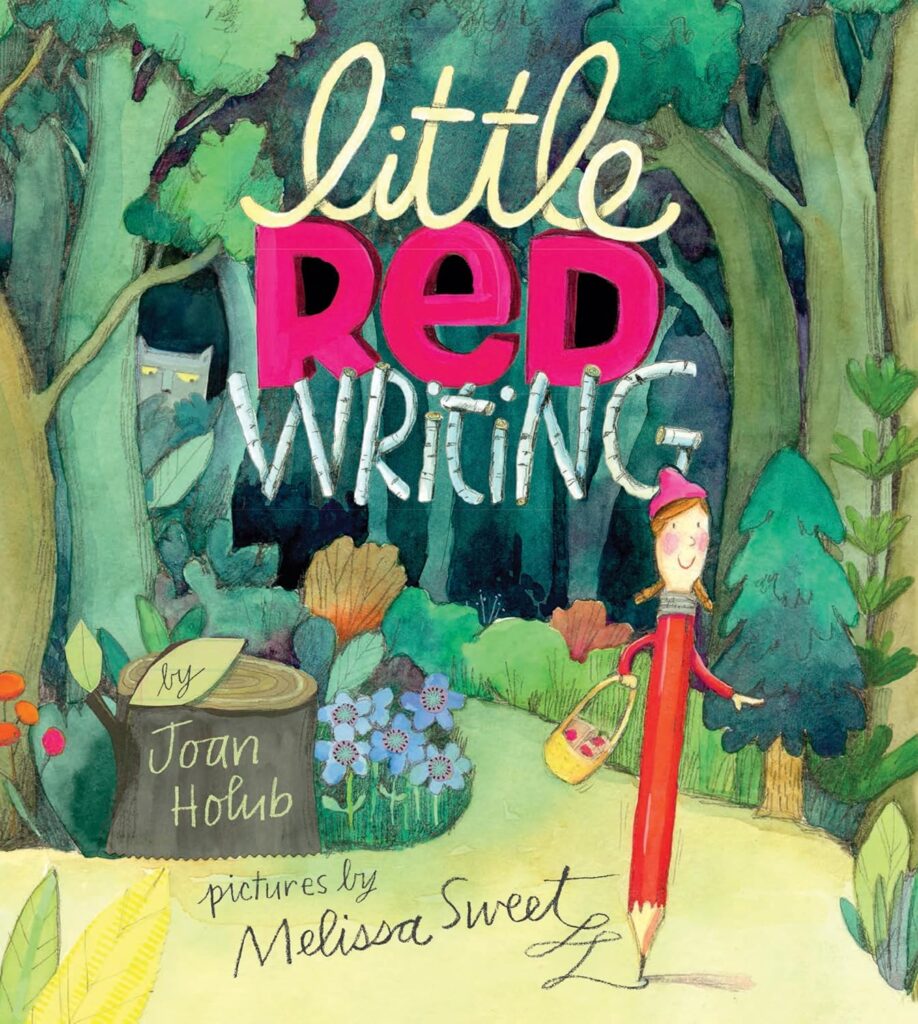
Little Red Writing
By Joan Holub, illustrated by Melissa Sweet
In this comic-style book, Little Red is a pencil who aspires to write a grand story with the help of her teacher and a basket of vivid nouns to enhance her narrative. Similar to the original story of Little Red Riding Hood, she ventures off the story path to find out how different word types can influence various aspects of her writing. She learns that strong word choice, structure, and courage come together to save her story and characters from the Wolf 3000 (who really is Principal Granny).
Biographies
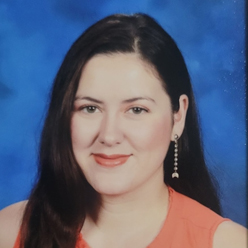
Ana Zepeda is currently an early childhood specialist with more than 15 years in education, specializing in dual language instruction, curriculum design, and early childhood education. She is passionate about fostering inclusive, engaging learning environments that nurture bilingualism, literacy, and cultural appreciation.

Jasmine Hashemi is an early childhood educator with seven years of experience creating engaging, research-based learning environments for both young children and preservice teachers. She is skilled in using diverse instructional approaches to support literacy development, early writing, number sense, and social-emotional growth. Passionate about teaching writing to young learners, Jasmine fosters creativity and confidence as children develop their voices on the page. She is equally dedicated to mentoring future educators, guiding them as they build their teaching practices and professional identities within inclusive, supportive classroom communities.


